We only took five pics—how did dinner take two hours? – How photo apps helped us actually enjoy family time
We only took five pics—how did dinner take two hours? That’s what I asked myself after one particularly long family meal where, somehow, most of the conversation happened behind screens. We’d gathered with love and good food, but left feeling drained, not connected. The truth hit me: we weren’t capturing memories—we were losing them. I kept thinking, there has to be a better way to use technology so it doesn’t steal our time, but protects it. And there is. This is the story of how smart photo apps, used with intention, helped us reclaim our family dinners, reduce stress, and actually enjoy being together—without giving up photos altogether.
The Dinner Table That Turned Into a Photo Studio
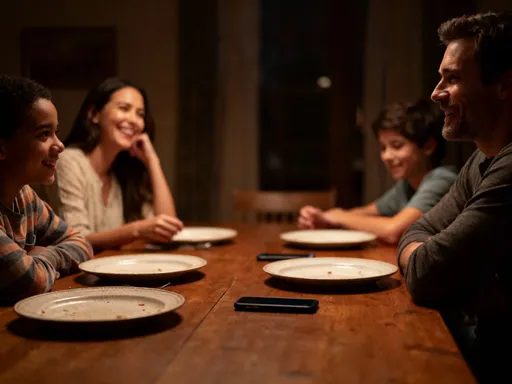
It started so innocently. A holiday dinner, candles lit, everyone dressed up. My sister brought her new camera phone, my nephew downloaded the latest filter app, and suddenly, our cozy kitchen felt like a photo shoot. “Wait, wait—everyone smile!” someone would call out just as we were about to dig in. Plates cooled. Laughter paused. And then came the barrage: five different angles, three filters tested, and a debate over whether the lighting made Grandma look “too warm” or “too cool.”
I remember one night, my niece—only ten at the time—put her fork down and said, “Can we please just eat? I’m hungry, and I want to hear what Aunt Lisa was going to say.” That moment stayed with me. It wasn’t just about hunger. It was about presence. We had turned a moment meant for connection into a performance for preservation. The irony? In trying to keep the memory alive, we were killing the very moment we wanted to remember.
Phones weren’t just on the table—they were in the middle of it. We’d pass them around, tap endlessly, and lose track of time. Editing became a group activity, but not the fun kind. It was stressful, rushed, and oddly competitive. “I got a better shot!” “No, mine has better lighting!” By the time we finally put the devices down, dessert was cold, and the energy had shifted. What began as joy ended in quiet frustration. I realized then: the problem wasn’t the photos. It was how we were using the tools to make them.
Why We Keep Falling Into the Photo Trap
We’re not alone. So many families I talk to admit the same thing: dinner, birthdays, even weekend brunches now come with an unspoken rule—“Don’t touch the food until we get the shot.” It’s become second nature. And I get it. We live in a world that celebrates the curated life. Social media shows us endless highlight reels—perfect meals, joyful moments, picture-perfect families. There’s a quiet pressure to prove we have that too.
But here’s what we don’t talk about enough: behind every “casual” family photo is often an hour of effort. The pressure isn’t just about aesthetics. It’s emotional. We want to feel seen. We want to show our loved ones—and the world—that we’re doing okay, that our family is happy, that life is good. And what better way than a photo? But when that desire turns into obligation, joy gets replaced by stress.
The truth is, we’ve confused documentation with connection. Taking a photo doesn’t mean we’re present. In fact, sometimes it’s the opposite. We’re so busy framing the shot, adjusting the brightness, or picking the right emoji for the caption that we miss the real thing happening right in front of us. The smell of the food. The sound of a child’s laugh. The way my brother always tells the same joke but somehow still makes us laugh every time.
And let’s be honest—editing takes time. Real time. Time that could be spent talking, playing, or just sitting in comfortable silence. The apps didn’t start out as the enemy. They were meant to help. But without boundaries, they became the boss of our evenings. I began to wonder: what if we could use these tools differently? Not to perform, but to preserve? Not to distract, but to deepen?
The App That Changed Everything (And It’s Not What You Think)
I used to think I needed a fancier app. Something with more filters, more effects, more options. But the real breakthrough came when I realized I didn’t need more features—I needed fewer. I needed an app that didn’t demand my attention, but respected my time. One that worked quietly in the background, so I could stay focused on the people in front of me.
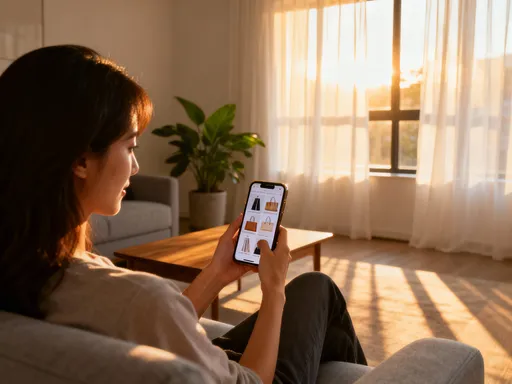
That’s when I discovered photo apps designed for simplicity and automation. These aren’t the flashy ones with 500 filters. They’re the ones with one-tap enhancements, smart album sorting, and automatic facial recognition. At first, I was skeptical. Could a simple edit really do justice to a special moment? But I tried it. I took a photo of us all laughing over spilled gravy—real, unposed, messy. I tapped “enhance,” and in two seconds, the lighting balanced, the colors popped, and it looked like I’d spent twenty minutes in editing mode.
But the real magic wasn’t the edit. It was the time I got back. Instead of huddling over the phone, tweaking shadows and saturation, I looked up and joined the conversation. My cousin was telling a story about her garden, and for the first time in months, I actually heard it. No distractions. No urgency to post. Just presence.
These apps also auto-organize photos by event, date, and even who’s in them. So when my mom asks, “Did you get the one where the dog stole the turkey?” I can say, “Yes, and it’s in the ‘Thanksgiving 2023’ album, under ‘Pets.’” No more frantic scrolling. No more “I thought you saved that!” moments. The technology wasn’t replacing memory—it was supporting it. And the best part? It required almost no effort. It was like having a quiet assistant who tidied up after the party while I was still enjoying it.
Setting Boundaries: Phone Rules That Actually Worked
Having the right app helped, but we still needed rules. Not strict bans, not guilt trips—just clear, kind agreements. We sat down as a family and talked about how we wanted our dinners to feel. “I want to hear everyone’s stories,” my sister said. “I don’t want to compete with a screen.” My brother added, “I don’t mind photos, but can we not make it the main event?”
So we made a simple pact: after the first group photo—taken quickly with burst mode—we put our phones face-down on the table. No exceptions. No “just checking one thing.” We even got matching little phone stands that held them upright but out of reach, like tiny sentinels saying, “Your time together matters more than your notifications.”
The key was that we all agreed. It wasn’t one person policing the others. It was a shared choice. And because we used burst mode, we could capture several moments in seconds—someone laughing, the toast being made, the dog sneaking a bite—without slowing things down. Then, we picked one favorite to edit and share later. The rest? Saved quietly in the background, no pressure to review or post.
At first, it felt strange. Like we were missing something. But within a week, something shifted. We started noticing more—the way my mom smiles when she talks about her childhood, the way my nephew hums when he’s thinking. Without the urge to document every second, we began to live them more fully. And honestly? The photos we did take felt more meaningful because they weren’t staged. They were real. And real, it turns out, is more beautiful than perfect.
How Fast Editing Gave Us Back Hours
I started paying attention to time. Before, our family meals would stretch by nearly an hour due to photo editing, sharing, and posting. I did a little math: if we spent an average of 45 minutes per gathering on phone-related tasks, and we met 12 times a year, that was 9 full days a year spent editing photos. Nine days! That’s more than a week of vacation, lost to filters and captions.
With the new approach—quick burst shots, one-tap edits, and delayed sharing—we cut that down to under 10 minutes per meal. That’s over 30 hours a year we got back. Think about that. Thirty hours. That’s six movie nights. Three long weekend walks. Or just space to breathe, talk, and be.
And the quality of our time changed, not just the quantity. Because I wasn’t stressed about posting, I wasn’t rushing. I could wait until the next morning, when the house was quiet, to go through the photos. With presets saved—“Warm Family Dinner,” “Outdoor Light,” “Cozy Evening”—I could apply consistent, lovely edits in seconds. Then, I’d share one to our private family group. No pressure to get it perfect. No anxiety over likes or comments. Just a simple, “Remember this? So good.”
The joy wasn’t in the reaction. It was in the reconnection. My sister would reply, “I forgot how hard we laughed that night.” My mom would say, “You caught the way the light hit the table. Just like old times.” The photo became a conversation starter, not a performance piece. And the best part? I didn’t sacrifice memory-making to get my time back. I enhanced it.
Creating a Family Memory Library—Without the Stress
One of the most beautiful side effects of this shift was how our photos became a true family archive. Before, pictures were scattered—on phones, in cloud folders with confusing names, on social media buried in feeds. If someone wanted to see last year’s beach trip, it took ten minutes of digging.
Now, we use a shared photo library that updates automatically. When anyone takes a photo during a family event, it appears in our private album. No uploading, no tagging, no hassle. The app uses facial recognition to group people, sorts by date and location, and even creates smart albums like “Holidays,” “Grandkids,” or “Family Meals.”
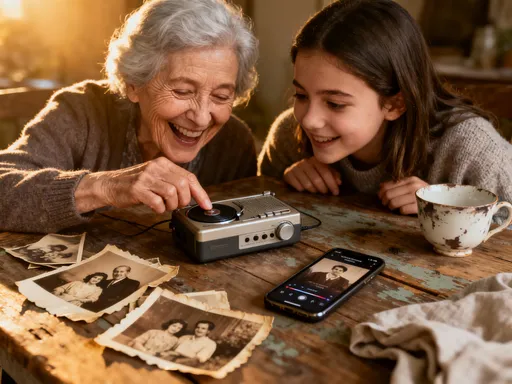
My mom, who used to say, “I don’t get all this technology,” now scrolls through it every Sunday night. “Look at this one,” she’ll say, showing me a photo of my nephew blowing out birthday candles. “He was so proud. I’d forgotten how his nose scrunches up when he laughs.” It’s become her digital photo book—no albums to carry, no pictures to lose.
And because it’s private, there’s no pressure to curate. We keep the messy ones, the blurry ones, the ones where someone’s eyes are closed. Those are often the most real. The app doesn’t judge. It just holds the memories, ready to be rediscovered. We don’t have to manage it. It manages itself. And in doing so, it gives us back something priceless: the ability to remember, without the burden of maintenance.
More Than Photos: How This Changed Our Evenings
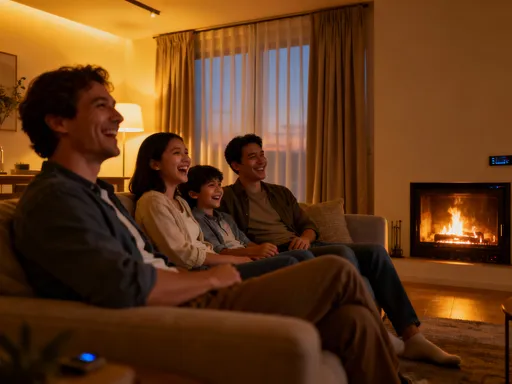
The change went deeper than I expected. With phones down and attention up, our dinners transformed. We started new rituals. Sometimes, we take a post-dinner walk around the block, just talking. Other times, we play a quick round of trivia—“Name all the pets we’ve ever had” or “What was the first movie we saw together?” We even tried a silent dinner once—no talking, just eating and being. It felt strange at first, but then peaceful. Like we were just… together.
Our table became a place of ease, not performance. No one feels the need to “be on.” We can be tired, silly, quiet, or loud. And that’s okay. The pressure to look happy, to look perfect, to look like we have it all together—it faded. Because now, we’re not performing for a camera. We’re living for each other.
And when we do take photos, they feel different. They’re not the first thing we do. They’re not the reason we gather. They’re just a small part of a much bigger experience. But because we’re present when we take them, they’re richer. More authentic. You can see it in the eyes, in the gestures, in the unguarded moments.
What started as a solution to photo overload became a reset for our entire family rhythm. We’re more patient. We listen better. We laugh more. And we remember—not just through pictures, but through presence. Technology didn’t fix our family. We did. But with the right tools, used wisely, it helped us clear the noise and find our way back to what matters.
So the next time you find yourself staring at a table full of phones instead of faces, take a breath. You don’t have to give up photos. You just need to rethink how you use them. Let the apps do the work, not the other way around. Choose tools that serve your life, not steal from it. And remember: the most beautiful moments aren’t the ones that get the most likes. They’re the ones where no one was looking at their phone at all.