From Scattered Budgets to Shared Success: How Tech United Our Neighborhood
Money worries used to strain our block—until simple tools changed everything. I remember Sarah, a single mom, skipping groceries to pay bills, and Mr. Patel stressing over his heating costs. We weren’t poor, just disconnected. Then we tried something small: a shared savings challenge using everyday apps. It grew into monthly swap events, group discounts, and real results. This isn’t about cutting corners—it’s about lifting each other up, using tech that’s already in our pockets. What started as a whisper of frustration turned into a chorus of support, all because we chose to stop struggling alone and start saving together.
The Breaking Point: When Family Budgets Just Didn’t Add Up
Life on our street used to feel like a constant balancing act—one that nobody was quite winning. You know the kind of thing: school supply lists that seemed longer every year, grocery bills that jumped without warning, and that sinking feeling when the car sputtered on the way to work. We weren’t living beyond our means, but it sure felt like we were drowning in them. I’d stand at the bus stop in the mornings, sipping my coffee, and catch snippets of conversation that sounded more like quiet SOS calls. “Did you see your electric bill this month?” Maria asked me one frosty morning, pulling her coat tighter. “I turned the heat down so low my cat’s wearing a sweater.” We all laughed, but it wasn’t really funny.
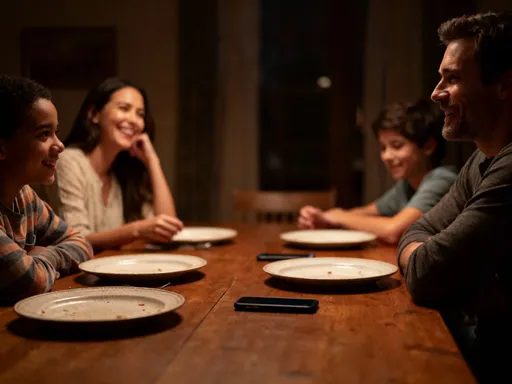
Then there was Sarah, who lived three doors down. She worked two part-time jobs, homeschooled her youngest, and still found herself choosing between diapers and detergent. I once saw her at the pharmacy, holding a box of wipes, then slowly putting it back when she checked the price. That moment stayed with me. We weren’t destitute, but we were stretched—thin, tired, and isolated in our stress. The worst part? We were all going through it at the same time, yet completely alone. One winter, three families on our block faced late fees on their utility bills. Another had to delay car repairs, risking safety just to make rent. It wasn’t a crisis of income—it was a crisis of connection. We had each other, but we weren’t using each other. We were neighbors in proximity, not in practice.
That changed the day Maria called a “coffee chat” in her sunroom. No agenda, no pressure—just a space to talk. Over mugs of tea and slightly burnt scones, we admitted what we’d been hiding: the anxiety, the shame, the constant mental math of survival. “We’re all struggling alone,” Maria said, looking around the circle. “What if we didn’t have to?” Her question hung in the air, simple and startling. It wasn’t a solution, but it was a spark. And sometimes, that’s all it takes to start a fire of change.
A Simple Idea: Starting Small with a Neighborhood Savings Group
We didn’t launch with a mission statement or a five-year plan. We started with a WhatsApp group—just ten households, mostly people who already waved at each other over the fence. The idea was basic: once a week, each person would share one money-saving win. That’s it. No rules, no judgment, no pressure to perform. The first few messages felt a little awkward, like we were showing our homework to strangers. “Used a cashback app for my grocery run—got $8 back,” texted Tom. “Found a bulk deal on toilet paper at the warehouse store,” added Linda. It seemed silly at first—like we were celebrating pocket change. But then something shifted.
When Sarah posted that she’d saved $40 by switching her phone plan using a referral code from a friend, three others in the group followed suit. When Mr. Patel shared a discount on his medication through a pharmacy loyalty program, two neighbors asked how to sign up. The wins were small, but the momentum was real. What made it work wasn’t the savings—it was the sharing. The tech didn’t do the saving; it did the connecting. WhatsApp was free, familiar, and already on our phones. No downloads, no learning curves, no meetings to schedule. Just real people, sharing real tips, in real time.
The key was consistency, not perfection. Some weeks, no one posted. That was okay. Other weeks, the chat lit up with links, screenshots, and little cheers. We weren’t experts—we were experiencers. And that made it trustworthy. One mom said, “I don’t care about being frugal; I care about breathing easier.” That became our unofficial motto. The group wasn’t about deprivation; it was about dignity. About reclaiming a little control in a world that often made us feel powerless. And the best part? It cost nothing to join, except the willingness to say, “I’m not fine,” and mean it.
From Chat to Action: Organizing First Community Swap Day
The WhatsApp group was great for tips, but we craved something more tangible. That’s when Maria suggested a swap day. “We’re all holding onto things we don’t need,” she said. “Why not let them help someone else?” The idea was simple: bring what you don’t use, take what you do. No money, no pressure—just sharing. We used a free event app to schedule a Saturday in the local park, shared digital flyers through our Facebook neighborhood group, and asked everyone to bring a table or two. I’ll admit, I was nervous. Would anyone show up? Would it feel awkward? Would we just end up with a pile of junk?
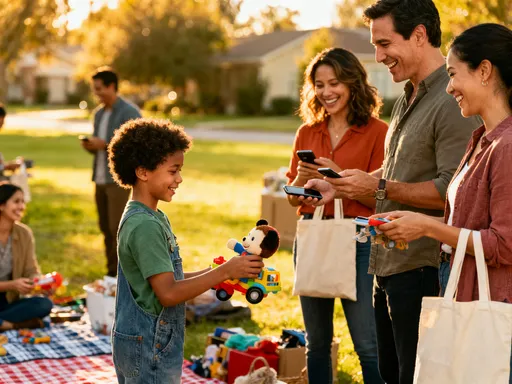
By 9 a.m. on swap day, the park was buzzing. Families arrived with wagons full of clothes, toys, books, and kitchen gadgets. Kids raced around, eyes wide, discovering “new” toys that were actually someone else’s hand-me-downs. A teenager set up a “book barter” station with a handmade sign. One dad, who fixed bikes in his garage, offered free repairs on the spot. I watched Mrs. Liu trade a nearly new stroller for a set of winter boots and a board game. “These boots are perfect,” she said, smiling. “And I didn’t spend a dime.”
The magic wasn’t just in the items—it was in the interactions. People who’d only nodded at each other now laughed over mismatched Tupperware and debated the best way to fold fitted sheets. A single mom found a double jogging stroller; another neighbor walked away with a working toaster, a blender, and a stack of children’s books. At the end of the day, we donated what was left to a local shelter. But the real win wasn’t the stuff—it was the trust. We’d shown up, shared openly, and been met with kindness. The tech made it easy to organize, but the warmth came from us. That day, our neighborhood didn’t just swap things—we swapped isolation for inclusion.
Smarter Tools, Bigger Wins: Using Apps to Pool Resources
After the swap, we realized we could do more than trade—we could buy smarter, together. That’s when we started using a shared budgeting app, one that allowed us to create group lists and track common expenses. At first, it was just for groceries: we’d pool our diaper, formula, and pet food needs and buy in bulk. But soon, we got bolder. Five families were paying different rates for internet. Using the app, we compared plans and realized we could negotiate a better deal as a group. One of the dads, who worked in customer service, made the call. We ended up saving 18% across the board—hundreds of dollars a year, just by speaking with one voice.
Then there was the energy experiment. Mr. Patel installed a smart thermostat in his home and shared anonymized data with the group—how much he saved by adjusting the temperature at night, how much difference sealing windows made. Inspired, three other families bought the same device. One neighbor used a home energy monitor app to track usage and found her old fridge was guzzling power. She replaced it during a sale we’d all been tracking in the group chat. These weren’t flashy tech upgrades—they were practical tools that gave us insight and control.
We also discovered group subscriptions. Instead of each family paying full price for streaming services, we rotated access or shared family plans. We used a simple calendar app to manage who had which service each month. One mom said, “I used to feel guilty for cutting back on entertainment. Now I feel smart for sharing it.” The apps didn’t make us rich, but they made us resourceful. They turned individual struggles into collective solutions. And every time we saved together, we proved something quiet but powerful: we were stronger as a group than we ever were alone.
Growing Together: Monthly Challenges That Built Confidence
To keep the momentum going, we launched “Savings Sundays”—a new theme each month, shared through our app. January was “Eat Local”; February, “Repair Don’t Replace”; March, “Go Paperless.” The challenges weren’t about perfection—they were about participation. Each week, we’d post photos, check in, and cheer each other on. When one family cooked a full week of meals using pantry staples, we celebrated like they’d won a prize. When a teen fixed her bike chain instead of asking for a new one, we called her our “repair hero.”
The tech kept us accountable in the gentlest way. Photo uploads turned saving into a shared story. A progress bar in the app showed how many families had switched to LED bulbs or canceled unused subscriptions. We didn’t shame anyone who fell behind—instead, we offered help. When Mrs. Kim said she didn’t know how to use the energy app, two neighbors visited her with printed instructions and set it up together. Inclusion wasn’t an afterthought—it was the point.
What surprised me most was how the challenges built confidence. People who once felt helpless started seeing themselves as capable. A dad who’d never balanced a budget before said, “I used to ignore my bills. Now I feel like I’m in the driver’s seat.” The teens got involved too—starting a plant-swap on Instagram, trading cuttings from their houseplants. Even the elders joined, some using printed summaries of the app updates, others learning to send voice messages. Every small win—fixing a leaky faucet, finding a secondhand coat, switching to a cheaper insurance plan—added up to something bigger: self-respect. We weren’t just saving money. We were growing stronger, smarter, and more connected, one Sunday at a time.
Beyond Money: How Saving Together Strengthened Community Bonds
The most unexpected outcome wasn’t the savings—it was the sense of belonging. We started as a group trying to survive financially, but we became a community built on care. Kids played freely in the cul-de-sac again, with parents taking turns watching them. Babysitting became a shared resource—no cash exchanged, just goodwill. When Sarah had to work late, two neighbors took turns picking up her kids from school. When Mr. Patel had a doctor’s appointment, someone drove him and waited outside.
Then Mrs. Liu fell and broke her wrist. Without anyone asking, meals started appearing at her door. One night it was soup, the next lasagna, then a casserole with fresh bread. The app helped coordinate—posting schedules, tracking who brought what—but the love was real. She later said, “The food helped, but knowing you were all thinking of me—that healed me more.” That’s when it hit me: we weren’t just a savings group. We were a support system. The tech had been the doorway, but the heart of it was human.
We began celebrating non-financial wins too—birthdays, graduations, small victories. We hosted a potluck in the park, where everyone brought a dish and we shared stories under string lights. The laughter, the ease, the way people lingered after dessert—it felt like something we’d forgotten we needed. What began as a response to stress had become a source of joy. We weren’t just surviving. We were thriving. And we were doing it together.
Your Turn: Start Where You Are, With What You Have
You don’t need a master plan or a big budget to begin. You just need one message. One neighbor. One small idea. Start with a shared grocery list in a free app. Post in your neighborhood group: “Who wants to bulk-buy diapers or pet food?” Host a ten-minute swap in your driveway. Use a calendar app to organize a monthly check-in. The tools are already in your hand. The people are right next door. You don’t need to fix everything at once. Just start.
And remember—this isn’t really about tech. It’s about trust. It’s about saying, “I’m not okay,” and having someone say, “Me neither. Let’s figure it out.” It’s about turning isolation into connection, stress into support, and small actions into lasting change. Our neighborhood didn’t transform overnight. It grew, one shared win, one kind gesture, one app notification at a time. But grow it did. And now, when I walk down the street, I don’t just see houses. I see a community. I see people who lift each other up. I see proof that when we combine the power of simple technology with the strength of human connection, ordinary moments can become extraordinary. So go ahead—send that message. Knock on that door. Start where you are. Your block might just be one idea away from becoming a family.