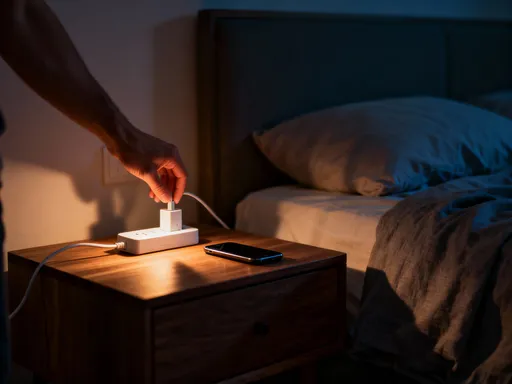
Tired of tossing and turning at night? This smart system finally fixed my sleep
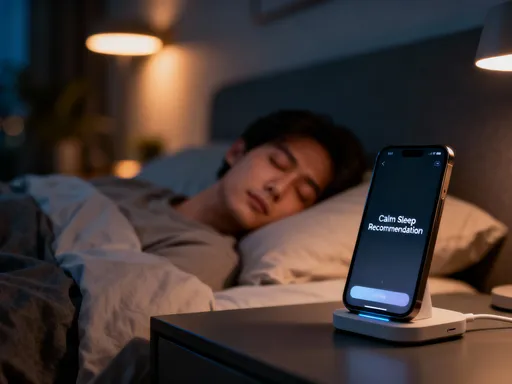
We’ve all been there—lying awake at 2 a.m., mind racing, phone in hand, wondering why rest feels so out of reach. I used to dread bedtime, struggling with insomnia for years, trying every remedy from herbal tea to strict screen curfews. Nothing worked—until a quiet, unobtrusive smart recommendation system slipped into my nightly routine. It didn’t promise miracles, but slowly, night by night, it learned my habits, adjusted my environment, and rebuilt my rhythm. This isn’t a medical device or a strict app—it’s like a thoughtful friend who knows when to dim the lights, suggest a wind-down playlist, or remind me to put the phone down. And it changed everything.
The Night I Gave Up on Sleep (And What Happened Next)
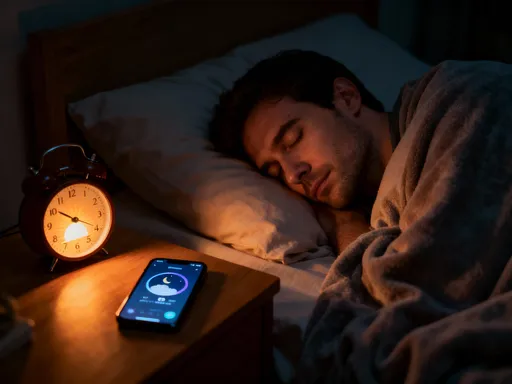
There was a time when bedtime wasn’t a comfort—it was a battlefield. I’d crawl under the covers, heart already pounding, knowing the long night ahead. My mind would race through the day’s unfinished tasks, tomorrow’s to-do list, old conversations I couldn’t let go of. I’d check the clock—11:15. Then 12:47. Then 1:32. Each glance made me more anxious. I’d try everything: warm milk, lavender spray, journaling, even counting sheep once (yes, really). I downloaded every sleep app I could find. Some gave me a nightly sleep score like I was being graded. Others scolded me for using my phone too late. One even locked my screen at 10 p.m.—which only made me resent bedtime more.
It wasn’t just the lack of sleep. It was what came with it. I became short-tempered with my kids over spilled cereal. I’d forget appointments, misplace my keys, stare blankly at my computer screen during work calls. I felt like a ghost of myself—present, but not really there. My husband would say, “You seem tired,” and I’d snap, “I *am* tired,” which wasn’t fair to him. The guilt piled up. I started avoiding bedtime altogether, staying up later just to steal a few quiet moments, even if it meant paying for it the next day. I wasn’t just losing sleep—I was losing my joy, my patience, my sense of control.
Then one night, after another two-hour stretch of staring at the ceiling, I whispered into the dark, “I can’t do this anymore.” That moment wasn’t dramatic—it was quiet, but deep. It wasn’t surrender to insomnia. It was surrender to the idea that maybe I needed help that wasn’t about willpower. Maybe I needed support, not rules. And that’s when I finally opened the one app I’d ignored for months—the smart wellness assistant that came pre-installed on my phone. I didn’t expect much. But I was out of options. So I tapped “Set up sleep routine.” And something shifted.
How a Simple App Notice Changed My Mindset
I’ll admit, I rolled my eyes when I first saw the notification: “Based on your habits, try dimming the lights 30 minutes earlier tonight.” Really? I thought. Now my phone is telling me when to turn off the lamps? I expected another judgmental tracker, another rigid schedule that would fail the moment my teenager needed help with homework or my sister called with an emergency. But what surprised me was the tone—gentle, almost kind. It didn’t say, “You failed again.” It said, “Try this.” No score. No alarm. No shame.
That small shift changed everything. For years, I’d treated sleep like a personal failure. If I couldn’t fall asleep, it meant I wasn’t trying hard enough, wasn’t disciplined enough. But this app didn’t blame me. It observed. It noticed that on nights when I read a physical book instead of scrolling, I fell asleep faster. That when the house was cooler, I stayed asleep longer. That I usually stopped typing around 10:15, but often stayed on my phone until midnight. Instead of shaming me, it started making quiet suggestions—“Your reading usually ends around now. Would you like to start a wind-down playlist?” or “You’ve been typing for 45 minutes. A short breathing exercise might help you relax.”
It felt like having a calm, thoughtful friend sitting beside me, not a coach with a clipboard. And slowly, I stopped fighting bedtime. I started trusting the process. I realized I wasn’t weak for struggling—I was human. And technology, when designed with empathy, could meet me where I was, not where I “should” be. That tiny notification wasn’t just advice. It was permission—to slow down, to listen, to be cared for.
What Smart Recommendation Systems Actually Do (Without the Tech Jargon)
Let’s clear something up: this isn’t science fiction, and it’s definitely not about robots taking over your bedroom. A smart recommendation system is simply a piece of software that learns from your behavior over time—like how you use your devices, when you typically wind down, and what conditions help you relax. It doesn’t control anything. It doesn’t lock your phone or turn off your Wi-Fi. Instead, it watches quietly, like a roommate who notices your patterns and offers small, helpful suggestions.
Think of it like this: if you always brew tea at 8:30 p.m. and turn off the living room light at 9:15, the system starts to recognize that as part of your evening rhythm. After a few days, it might say, “Tea time? Your favorite chamomile blend is in the cupboard,” or “Lights usually go off soon. Want me to dim them gradually?” It’s not guessing. It’s learning. And the more you use it, the smarter it gets.
These systems can connect with other devices in your home—like smart bulbs, thermostats, speakers, and even your phone’s screen settings. But they don’t act on their own. Every suggestion is optional. You can say yes, no, or ignore it completely. The beauty is in the coordination. Instead of you remembering to lower the thermostat, switch to night mode, and start soft music, the system can suggest doing all three at once, based on what’s worked for you before. It’s like having a personal assistant who knows your preferences but never insists.
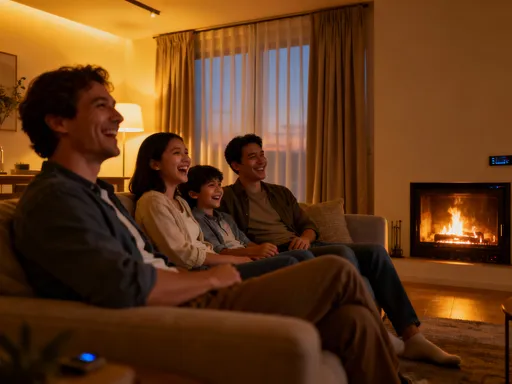
And here’s the part I love: it adapts. Life isn’t perfect. Some nights, you’re up late helping with a school project. Others, you’re watching a movie with your family. The system doesn’t punish you for breaking routine. It simply notices the change and adjusts. No guilt. No reset needed. It’s not about perfection—it’s about progress, with kindness.
The First Week: Small Tweaks, Big Surprises
The first few days felt strange. I kept waiting for the other shoe to drop—when the app would start nagging me or judging my choices. But it didn’t. Instead, it offered gentle nudges at just the right moments. On Tuesday night, after I’d been typing an email for nearly an hour, a soft chime came from my phone: “You’ve been working a while. Try a 2-minute breathing exercise to unwind?” I hesitated, then tapped “Yes.” A calm voice guided me through slow inhales and exhales. By the end, my shoulders had dropped, and my mind felt quieter. I didn’t fall asleep immediately, but the panic was gone.
Wednesday was even better. I was reading in bed, and as my eyes started to grow heavy, the room slowly darkened. I hadn’t touched the lights. Later, I realized the system had noticed my reading pace slowing and triggered the dimming sequence. It felt like the room was tucking me in. Thursday, my smart speaker started playing a soft rain soundscape at the same time I usually began winding down. I hadn’t asked for it—but it was exactly what I needed.
By the end of the week, something remarkable happened: I wasn’t dreading bedtime. In fact, I looked forward to it. I started noticing changes in my days, too. I woke up with less grogginess. My focus at work improved. I had more energy to cook dinner instead of reaching for leftovers. My daughter said, “Mom, you seem happier.” And I realized—I was. The system wasn’t fixing me. It was creating space for my body and mind to heal themselves, one quiet night at a time.
How My Home Became a Sleep-Friendly Space—Without Me Lifting a Finger
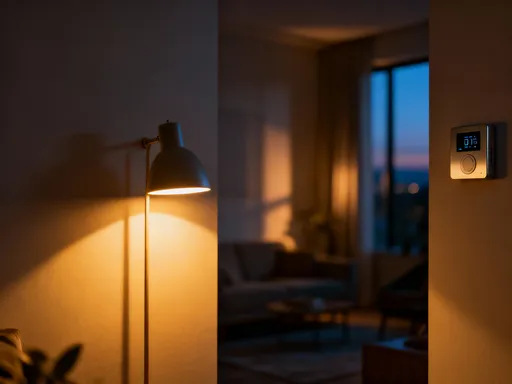
One of the most powerful things about this system is how it turned my entire home into a sleep-supportive environment—without me having to manage a single setting. I didn’t have to remember to lower the thermostat or turn off the hallway light. The system did it for me, based on what it had learned.
Every night around 9:30, my phone automatically switches to grayscale, making it less tempting to scroll. At the same time, the living room lights begin to dim, signaling to everyone in the house that it’s time to slow down. My bedroom thermostat lowers by two degrees—just enough to create that cool, cozy feeling that helps me fall asleep faster. And if I’m still on my tablet past 10, a soft notification appears: “Reading time winding down? Bedtime routine in 15 minutes?”
It’s not about strict rules. It’s about gentle cues that guide me back to rhythm. Even when life gets messy—like when my niece stayed over and we watched a late movie—the system adjusted. The next night, it didn’t scold me. It simply offered, “Back to your usual routine tonight?” and suggested starting the wind-down sequence a little later, just for that night. That flexibility made all the difference. I didn’t feel like I was failing. I felt supported.
And the best part? My family noticed. My husband started using the same system. Now, our whole household eases into bedtime together. The kids know when the lights dim, it’s time to finish up. No yelling, no nagging. Just a shared rhythm that feels natural. Our home doesn’t just feel lived-in—it feels cared for.
Beyond Sleep: How Better Rest Transformed My Days
When I first started using this system, I thought the goal was just to sleep better. But what I didn’t expect was how deeply it would improve every other part of my life. Better sleep didn’t just mean more energy—it meant more patience, more clarity, more joy.
I used to snap at small things—the laundry not folded, the dog tracking mud, the grocery list forgotten. Now, I find myself pausing before reacting. I take a breath. I choose calm. My kids have noticed. My daughter said, “You don’t yell as much,” and my son gave me a hug and said, “You’re fun again.” That hit me right in the heart.
At work, I’m sharper. I remember details. I contribute in meetings instead of zoning out. I even started a small side project—writing short essays about motherhood and mindfulness—that I’d been putting off for years. I have the mental space to create again. And my relationship with my husband has deepened. We talk more. We laugh more. We’re present with each other.
It’s not that life is perfect. There are still messy days, stressful moments, and unexpected challenges. But now, I face them from a place of strength, not exhaustion. I make better decisions. I listen more. I care for myself the way I’ve always tried to care for others. And that, more than anything, has changed how I see myself—not as someone who’s barely holding it together, but as someone who’s truly living.
Why This Isn’t a Quick Fix, But a Lifelong Companion
So many solutions promise to fix sleep fast—pills, strict routines, expensive mattresses. But what I’ve learned is that real change doesn’t come from force. It comes from consistency, compassion, and the right kind of support. This smart recommendation system isn’t a quick fix. It’s a companion—one that learns, adapts, and grows with me.
It doesn’t demand perfection. It celebrates small wins. It meets me on hard nights and quiet ones alike. It doesn’t care if I’m up late with a sick child or celebrating a birthday. It simply adjusts, recalibrates, and keeps offering gentle guidance. That’s what makes it sustainable. Life changes. We change. And our tools should, too.
More than anything, this experience has taught me that technology, at its best, isn’t cold or controlling. It’s warm. It’s human. It listens. It learns. It lifts. It doesn’t replace our instincts—it enhances them. It doesn’t take over our lives—it helps us live them more fully.
If you’re lying awake tonight, feeling alone in your struggle, I want you to know: you’re not broken. You don’t need to try harder. You just need the right kind of support. And sometimes, that support comes in the form of a quiet notification, a dimming light, or a soft voice saying, “It’s okay. Let’s slow down together.”
Sleep isn’t a battle to win. It’s a rhythm to return to. And with a little help, you can find your way back—one peaceful night at a time.