From Overwhelmed to in Control: How Food Delivery Apps Gave Me Back My Evenings
Life used to feel like a constant race—commuting, working, cooking, cleaning, repeating. I’d stare at the fridge after a long day, too tired to decide what to eat, let alone cook it. The thought of chopping vegetables or standing over a hot stove while the kids asked for snacks felt like the last straw. Sound familiar? I wasn’t lazy. I wasn’t failing. I was just running on empty. Then I discovered how food delivery apps, when used wisely, don’t just bring dinner—they protect your time, reduce stress, and quietly support a healthier work-life rhythm. This isn’t about giving up on cooking. It’s about reclaiming energy for what truly matters: your family, your peace, and your well-being.
The Daily Grind That Left No Room for Dinner
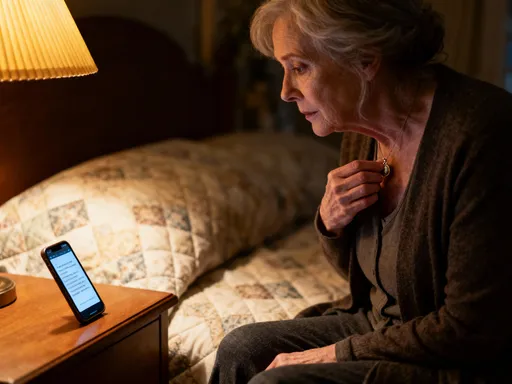
There was a time when every evening felt like a battle. I’d rush home from work, juggling my bag, my phone, and the mental checklist of what needed to happen before bedtime. Did I remember to defrost the chicken? Were the kids’ school forms signed? Was there anything in the fridge that didn’t require effort? More often than not, I’d open the door and sigh. The shelves were half-empty, the produce slightly wilted, and my motivation completely gone. I wasn’t just hungry—I was emotionally drained. The weight of decision fatigue pressed down on me. What should we eat? Is it healthy? Will the kids complain? Should I try to make something from scratch or give in and order pizza—again?
And then came the guilt. If I didn’t cook, I felt like I was failing. Like I wasn’t doing enough for my family. Like I was choosing convenience over care. But the truth is, after eight or nine hours of focused work, commuting, and managing a household, I didn’t have much left to give. My energy was spent. The kitchen, once a place of warmth and creativity, had become a source of anxiety. I’d stand there, staring at recipes on my phone, knowing I didn’t have the time or focus to follow them. I wasn’t alone in this. So many women I know—mothers, professionals, caregivers—live in this cycle. We’re expected to do it all, but no one talks about how exhausting it is to keep up with the invisible load of meal planning, shopping, and cooking. It’s not just about food. It’s about the mental space it takes up. The constant calculations. The pressure to be both efficient and nurturing. And over time, that pressure chips away at your joy, your patience, your sense of balance.
What I realized, slowly, was that I didn’t need to push through the exhaustion. I needed a different approach—one that honored my limits and protected my energy. And that’s when I started to see food delivery apps not as a last resort, but as a tool for self-preservation.
How My Commute Became a Meal-Planning Opportunity
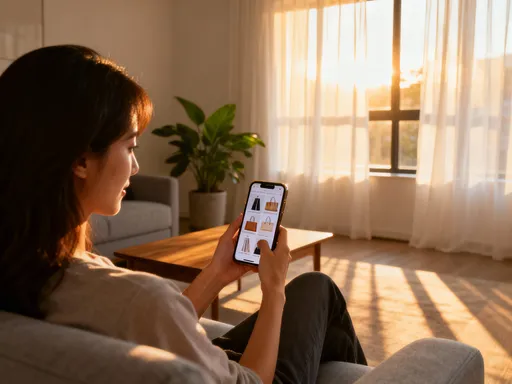
My commute used to be a blur of scrolling—social media, news, random videos. Mindless consumption, really. I’d get off the train feeling even more drained, like I’d used up precious mental bandwidth without gaining anything. Then one rainy Thursday, I decided to try something different. Instead of opening Instagram, I opened a food delivery app. I wasn’t planning to order anything that night, but I started browsing. Not for junk food, but for real meals—dishes with vegetables, lean proteins, whole grains. I looked at local restaurants I’d never noticed before. One offered grain bowls with roasted sweet potatoes and kale. Another had a tofu stir-fry with ginger and broccoli. I saved them to my favorites, just to remember later.
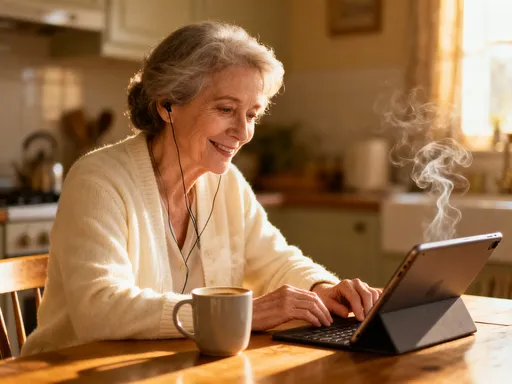
That small shift changed everything. What used to be dead time became a moment of calm preparation. On my 25-minute ride, I’d listen to a podcast with one earbud and plan dinner with the other. I’d schedule a delivery for Wednesday evening, knowing I’d have a late meeting. I’d send a link to my partner and say, “What do you think—Thai or Mediterranean tomorrow?” We started making decisions together, without the last-minute stress. It felt lighter. More collaborative. And because I was doing it during a time when I wasn’t rushing or multitasking, my choices felt more thoughtful, not reactive.
There’s something powerful about reclaiming a small window of time and using it with intention. Instead of arriving home with a blank slate and an empty fridge, I’d walk in knowing dinner was handled. Not because I’d cooked, but because I’d planned. And planning, I learned, is just as important as preparing. It’s an act of care—toward myself and my family. The app wasn’t doing the work for me. I was using it to work smarter. I wasn’t outsourcing responsibility. I was redistributing my energy. And that made all the difference.
Less Cooking, More Connection: The Unexpected Family Benefit
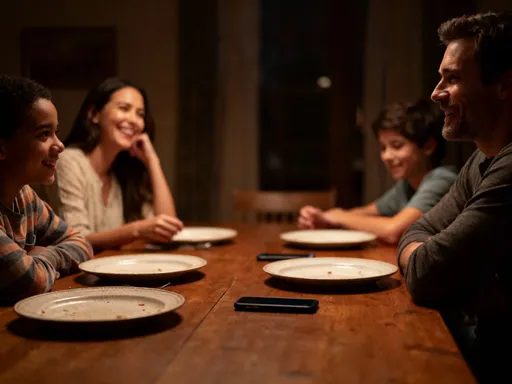
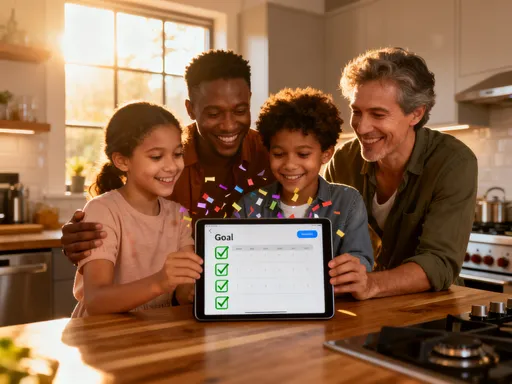
I’ll never forget that Wednesday night. The kids had soccer practice, my partner was stuck in traffic, and I had a work call that ran late. The old version of me would have panicked. I would have rushed to chop onions, burned the rice, and snapped at someone for tracking mud on the floor. But that night, I’d already scheduled a delivery from a family-run Mediterranean spot we loved. When we finally sat down, the table was set, the food was warm, and no one was stressed. The kids actually talked—about school, about their favorite soccer moves, about a book they were reading. My partner looked at me and said, “This feels nice. We’re actually eating together.”
And it hit me: we weren’t just sharing a meal. We were sharing presence. Because I wasn’t in the kitchen, wiping counters or reheating something, I was at the table. Fully there. Laughing, listening, breathing. That night wasn’t about the food. It was about the space it created. By removing the pressure to cook, I’d made room for connection. I realized I’d been confusing effort with love. I thought that cooking every night was the only way to show I cared. But love isn’t measured in dirty pots. It’s measured in attention, in patience, in the ability to show up without resentment.
Since then, we’ve made delivery nights a regular thing—usually once or twice a week. It’s not a failure. It’s a strategy. On those nights, the kids help set the table, we play a conversation game, and we eat without rushing. Sometimes, we even light a candle. It feels like a small ritual. And the best part? No one misses the “homemade” label. What matters is that we’re together, relaxed, and enjoying each other’s company. The kitchen doesn’t have to be the heart of the home for the home to have a heart. Sometimes, it’s the table that matters most.
Smart Boundaries: Using Apps to Protect Personal Time
Here’s something I never thought I’d say: food delivery apps helped me set boundaries at work. It sounds strange, but it’s true. Before, if a colleague asked for a last-minute call at 6:45 p.m., I’d say yes—even if I was already in the middle of cooking. I’d scramble to pause the stove, wipe my hands, and jump on Zoom, only to return to a cold kitchen and frustrated family. I felt torn, like I was letting someone down no matter what I did.
Then I started using delivery as a signal. Now, when I know I have a late meeting, I schedule dinner in advance. I set a reminder on my phone: “Kitchen closes at 7.” That’s not just a cute phrase—it’s a real boundary. It means I’m not available to cook after that time. And because dinner is already on the way, I can say no to extra work without guilt. “I can’t stay late tonight—I’ve got dinner coming, and I want to be present for it.” Saying it out loud felt empowering. It wasn’t about being difficult. It was about valuing my time and energy.
What surprised me was how much this simple act changed my mindset. I started seeing my evening as sacred—not because I had big plans, but because it belonged to me and my family. I wasn’t just protecting dinner. I was protecting rest, conversation, downtime. And the more I honored that boundary, the more others respected it too. My team stopped scheduling late calls. My partner started planning his evenings around our family time. It wasn’t a grand announcement. It was a quiet shift, supported by a simple tool. The app didn’t set the boundary—but it made it easier to keep.
Beyond Convenience: How Apps Support Healthier Choices
Let’s clear up a myth: food delivery doesn’t have to mean greasy burgers and oversized fries. I used to think that too. I assumed these apps were designed to push fast food, and in some ways, they do—especially with flashy ads and quick delivery promises. But once I started exploring with intention, I found a whole world of better options. Many local restaurants now offer balanced meals, and the apps make it easy to find them. I use filters for “healthy,” “high protein,” “vegetarian,” and even “low sodium.” I can see calorie counts, ingredient lists, and allergen information—details I wouldn’t always get from a takeout menu.
One evening, I discovered a small vegan café that made lentil curry with turmeric and spinach. I never would have found it on my own, but the app suggested it based on my past orders. I tried it—and loved it. Now it’s a favorite. Another time, I found a Japanese spot with grilled fish and miso soup, under 500 calories. These aren’t “cheat meals.” They’re real, nourishing options that fit my wellness goals. And because they’re convenient, I’m more likely to stick with them. When healthy eating feels easy, it becomes sustainable.
The key is being mindful. I don’t just tap “order again” without thinking. I take a moment to check the ingredients. I ask myself: does this feel good for my body? Will I feel energized afterward? If the answer is no, I keep browsing. And that’s the power of these apps—they give you choice, but they also give you control. You’re not stuck with whatever’s fastest. You can choose what aligns with your values and your health. It’s not about perfection. It’s about progress. And sometimes, progress looks like ordering a salad instead of fries—because it was right there, easy to find, and delivered to your door.
Making It Work: A Simple Routine That Fits Real Life
I’ll be honest—I don’t have a perfect system. Some weeks, I forget to plan. Some nights, we end up with pizza because nothing else felt doable. And that’s okay. What matters is having a routine that works most of the time, not all the time. Here’s what’s helped me: every Tuesday evening, I spend about ten minutes looking ahead to the next few days. I check my calendar—any late meetings? Any activities? Then I open the app and schedule one or two deliveries for the busiest nights. I save my favorite orders so I can reorder with one tap. I even set up recurring deliveries for our usual Thursday night meal—no thinking required.
I also keep a list on my phone of “meals we loved” and “places to try.” It helps me rotate options so we don’t get stuck in a rut. And I involve my family—on Sunday nights, we talk about what we’re in the mood for, and I add their suggestions to my list. It’s not a chore. It’s part of our rhythm. The goal isn’t to eliminate cooking. It’s to reduce the mental load so cooking can be joyful again—not a daily obligation. Now, when I do cook, it’s because I want to, not because I have to. I make my famous lasagna on weekends. I bake bread with the kids. Those moments feel special because they’re intentional, not forced.
The beauty of this routine is that it’s flexible. Life changes. Schedules shift. But because I’ve built in small moments of planning, I’m not starting from zero every night. I’m not making decisions when I’m tired or hungry. I’m using my energy when I have it—during the day, during my commute, during calm moments. And that makes all the difference. It’s not about being tech-savvy. It’s about being kind to yourself. These apps aren’t magic. But when used with purpose, they can make real life feel more manageable.
Reclaiming Energy, One Meal at a Time
Looking back, I see how much I gave away—my time, my peace, my presence—because I thought I had to do it all. I thought being a good mom, a good partner, a good professional meant never saying no, never slowing down, never asking for help. But that path leads to burnout, not balance. What I’ve learned is that small, smart choices can create big shifts. Using a food delivery app isn’t a sign of weakness. It’s a sign of wisdom. It’s choosing to protect your energy so you can show up fully in the moments that matter.
This journey wasn’t about finding more hours in the day. It was about using the hours I already had with more intention. It was about realizing that technology, when used mindfully, can support a better life—not distract from it. These apps didn’t change my schedule. They changed my relationship with time. They helped me stop equating busyness with worth. They reminded me that rest is not a luxury. It’s a necessity.
And now, when I sit at the dinner table—whether the food came from my kitchen or a delivery bag—I feel something I hadn’t in years: calm. I’m not thinking about the next task. I’m not calculating what needs to be done. I’m just there. With my family. With my breath. With my life. That, to me, is success. It’s not about eating perfectly or cooking every meal from scratch. It’s about creating space—for connection, for joy, for peace. And sometimes, that space begins with a simple tap on your phone. You don’t have to do it all. You just have to take care of yourself. Because when you do, everything else has a better chance of falling into place. So go ahead—let dinner come to you. You’ve earned the rest.