From Wasted Watts to Wallet Wins: How My Friend’s Simple Tech Swap Cut Our Bills
You know that nagging feeling when you walk past a light left on or hear the AC humming all night? I did too—until my friend Mia showed me how a few unobtrusive tech tweaks transformed her home from energy-wasting to effortlessly efficient. No rewiring, no hassle. Just smart, silent tools that pay you back every month. Turns out, saving energy doesn’t mean sacrifice—it means working smarter. And honestly, it’s the easiest money-saving habit I’ve ever adopted. It didn’t take long for me to realize this wasn’t just about cutting costs. It was about taking back control—over my time, my comfort, and my peace of mind. Now, I don’t just live in my home. I feel like I’m finally running it.
The Lightbulb Moment: When a Casual Chat Changed How I See Energy
It started over coffee at Mia’s place on a rainy Saturday morning. We were catching up like we always do—talking about the kids, work, the never-ending to-do list—when she casually mentioned her latest electricity bill. I wasn’t even listening at first, but then she said something that made me stop mid-sip: "It was $78. And no, I didn’t turn off the heat or stop using the oven. I just stopped wasting energy." I stared at her. $78? My bill was nearly double that, and I wasn’t even sure why. I joked, "Did you move into a tent and start living off solar panels?" She just smiled and said, "Nope. Just added a few quiet helpers around the house." That’s when she told me the story. A year ago, Mia was exactly where I was—overwhelmed, forgetting to turn things off, adjusting the thermostat five times a day, and dreading that monthly bill. She wasn’t trying to be wasteful. Life was just busy. Kids rushing in and out, work calls, laundry piling up. But then she realized something: her home wasn’t working for her. It was working against her. Lights stayed on for hours. The AC ran all night. The TV sucked power even when it was “off.” She wasn’t lazy—she was just human. And her home? It didn’t care. Then she started experimenting. Not with drastic changes, not with solar panels or a full renovation. Just small, smart swaps. A smart plug here. A learning thermostat there. An energy monitor that finally showed her what was really happening behind the walls. Within months, her bill dropped—by nearly 30%. And more importantly, she stopped worrying. No more guilt about forgetting to turn off the fan. No more arguments with her husband about the thermostat. She wasn’t sacrificing comfort. She was gaining control. And that’s what hit me the hardest. This wasn’t about being a tech expert. It was about being a smart homeowner. A smart mom. A smart woman who deserved to feel in charge of her space.
Meet the Silent Helpers: What Energy Optimization Tools Actually Do
When Mia said “quiet helpers,” I pictured little robots. But what she meant was even better—devices that work so smoothly, you forget they’re there. These aren’t flashy gadgets. They don’t beep or require a manual. They’re more like invisible teammates, doing the mental heavy lifting so you don’t have to. And the best part? They’re not complicated. Anyone can set them up. You don’t need to be an engineer. You just need to want a little more ease in your day. Take the smart thermostat. It’s not just a digital version of your old dial. It learns. It watches when you turn the heat up in the morning, when you leave for work, when you come home tired and want the house warm. After a few days, it starts doing it for you. You don’t have to remember. It remembers for you. And when you’re out, it knows to turn things down—saving energy without making you shiver when you walk in the door. Then there are smart plugs. These little devices sit between your lamp or coffee maker and the wall outlet. They let you control that device from your phone—or set a schedule. So that reading lamp you always forget to turn off? You can set it to shut off at midnight. The holiday lights you leave on all night? You can turn them off with a tap. But here’s the real magic: they stop “phantom loads.” That’s the sneaky energy drain from devices that are “off” but still plugged in—like your TV, your toaster, your printer. They’re not doing anything, but they’re still using power. Over time, that adds up. Smart plugs cut that off completely. And then there’s the energy monitor. This one changed everything for me. It’s a small device that connects to your electrical panel (don’t worry—no tools needed, and most come with step-by-step video guides). Once it’s set up, it shows you, in real time, how much power you’re using—and where. You can see spikes when the oven kicks on, or when the kids leave the game console running. It’s like getting a report card for your home. And knowledge, as they say, is power—literally.
The First Try: Swapping One Outlet and What Happened Next
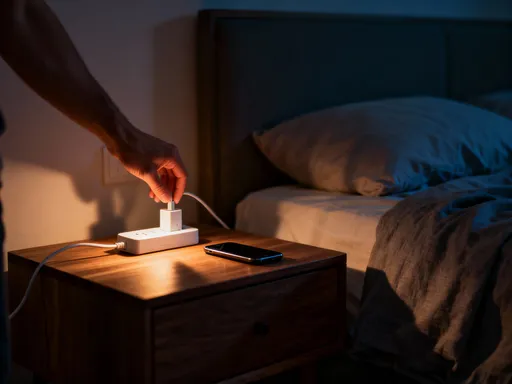
I wasn’t ready to overhaul my whole house. But I was curious. So I started with one smart plug—just one. I picked the lamp in my living room, the one I always leave on because it makes the space feel cozy. I unscrewed the bulb, plugged in the smart adapter, downloaded the app, and connected it to my Wi-Fi. It took less than ten minutes. Honestly, I expected nothing to change. Then I opened the app and saw the data. That lamp? It was on for an average of 11 hours a day—even on weekdays when I was at work. I had no idea. I thought I was just being warm and welcoming. I was actually burning money. I set a schedule: lights on at 6 p.m., off at midnight. Simple. No effort. The next morning, I checked the app. The lamp had turned off right on time. No guilt. No wasted energy. And here’s the thing—I didn’t miss it. The house still felt cozy. I didn’t walk into a dark room. I just stopped wasting. That small win felt huge. I actually smiled. I texted Mia: "It worked. I feel like a genius." She replied: "Told you. One thing leads to another." And she was right. That one plug gave me confidence. If this tiny change could make me feel this good, what else could I do? I started noticing other things—the coffee maker left on, the TV blinking in standby mode, the space heater in the guest room that probably hadn’t been touched in weeks. I wasn’t annoyed. I was empowered. I wasn’t the problem. I was the solution. And I had the tools to fix it.
Heating and Cooling Smarter: How the Thermostat Learned My Life
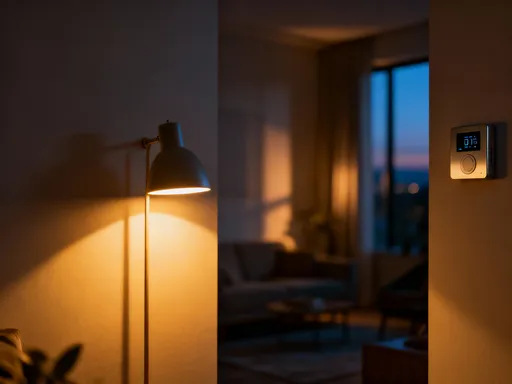
After the smart plug, I was ready for the next step: the thermostat. I’ll admit, I was nervous. Heating and cooling make up nearly half of a home’s energy use. Mess this up, and you’re either freezing or sweating—or both. But Mia promised it was easy. "It’s like training a puppy," she said. "Just show it what you like, and it figures it out." I installed it on a Sunday afternoon. The instructions were clear. The app guided me through each step. Within an hour, it was up and running. I named it "Cozy"—because I wanted it to feel friendly, not technical. For the first few days, I adjusted the temperature like I always did. I turned it up in the morning. I turned it down at night. But the thermostat was watching. It was learning. By day four, something shifted. I woke up, and the house was warm—just how I like it. I hadn’t touched the thermostat. It had turned on the heat at 6:45 a.m., just before my alarm. When I left for work at 8:15, it turned down automatically. And when I walked in the door at 6:00 p.m., the house was welcoming again—no waiting for the heat to kick in. I didn’t have to think. I didn’t have to remember. It just knew. And here’s what surprised me: my comfort improved. No more waking up to a cold bedroom. No more coming home to a house that felt like a sauna. The temperature was steady, balanced, just right. And my energy use? Down 22% in the first month. The bill didn’t lie. I was using less—and feeling better. I realized something important: smart tech isn’t about giving up control. It’s about upgrading it. I wasn’t letting a machine run my life. I was teaching it how I live—so it could support me, not fight me.
Seeing Is Believing: The Power of Real-Time Energy Feedback
The smart plug and thermostat were great. But the real game-changer was the energy monitor. I installed it with the help of a short video tutorial—no electrician, no fear. It clipped onto the main wires in my electrical panel and connected to my Wi-Fi. Within minutes, I could see my home’s energy use on my phone. At first, I just watched. I noticed spikes when the dishwasher ran. A steady hum from the refrigerator. But then I saw something strange: a small but constant draw of power, even at 2 a.m., when everyone was asleep. It wasn’t the fridge. It wasn’t the furnace. It was something else. I walked through the house, unplugging things one by one. When I pulled the plug on the old gaming console in the basement, the energy graph dropped. Just like that. That thing was using power 24/7—even when it was off. I called it a “vampire.” Mia called it “standby power.” Either way, it was stealing from me. I unplugged it. I set it on a smart plug. Now it only turns on when someone’s using it. The monitor did more than save me money. It changed how I thought about my home. I wasn’t guessing anymore. I wasn’t relying on habits or assumptions. I had facts. Real-time, accurate data. And that made all the difference. I started using the app to set daily goals. I’d check in at lunchtime to see how I was doing. If I was over, I’d unplug a few things or adjust the thermostat slightly. It became a quiet game—how low could I go? And the best part? My kids got into it. My daughter would say, "Mom, did you turn off the TV? The app says it’s still using power!" We turned energy saving into a family habit—one that felt good, not punishing.
Sharing the Win: How We Helped My Parents Save Too
When I visited my parents last spring, I noticed something right away: their house was warm—too warm. Even though it was mild outside, the heat was cranked up. My mom said, "It’s just how we like it." But I also noticed their electric bill on the counter. It was over $200. For a small house. That felt high. I asked if I could take a look. They were hesitant at first—"We’re not tech people," my dad said. But I promised it wouldn’t change how they lived. Just help them live smarter. I started with two smart plugs. I put one on the space heater in the guest room—rarely used but always plugged in. The other went to the TV and sound system in the living room. I showed them how to turn things off remotely. "So if we forget, we can just tap your phone?" my mom asked. "Exactly," I said. Then I installed a basic energy monitor. It didn’t take long to spot the issue: their old water heater was cycling on and off constantly. It wasn’t broken—it was just inefficient. We couldn’t replace it right away, but we set the smart plugs to cut power during the day when they were out. Small change. Big impact. A month later, my mom called. "Our bill dropped to $162. And the house feels the same. How did you do that?" I didn’t do it. The tech did. But I helped them see what was possible. It wasn’t just about saving money. It was about peace of mind. My parents aren’t worried about waste anymore. They feel more in control. And honestly? That’s worth more than any dollar amount.
Beyond Money: The Quiet Confidence of a Smarter Home
It’s been over a year since that coffee with Mia. My home isn’t perfect. I still forget things. Life still gets busy. But now, I don’t feel guilty when I walk past a light switch. I don’t stress when I leave the house. I know the systems are working for me. These tools have become invisible—but their impact isn’t. My bills are lower. My comfort is higher. My stress is lower. I’m not just saving energy. I’m saving mental energy—the kind that comes from not having to remember everything. I’ve also noticed something deeper: a quiet confidence. I feel more capable. More in charge. I’m not fighting my home. I’m partnering with it. And that shift—it’s changed how I move through my days. This isn’t about being a tech expert. It’s about being a smart, caring person who wants the best for her family. It’s about using tools that respect your time, your comfort, and your budget. It’s about progress, not perfection. So if you’re sitting there thinking, "I don’t have time for this," I get it. I was you. But you don’t need to do it all at once. Start with one plug. One switch. One small win. Let it teach you. Let it build your confidence. Because here’s the truth: the easiest savings aren’t the ones you chase. They’re the ones that come to you—quietly, consistently, without asking for anything in return. And once you feel that, you’ll wonder why you waited so long.