Tired of Losing Precious Memories? Here’s how I keep mine alive every day
We’ve all been there—scrolling through old photos, trying to recall a loved one’s voice, or forgetting the details of a moment that once meant everything. It’s not just about saving files; it’s about preserving who we are. I used to lose snippets of my life all the time, until I discovered simple, smart ways to hold onto what matters. This isn’t tech for the sake of tech—it’s about making memory-keeping effortless, personal, and meaningful. And honestly? It’s changed how I see my days, my family, and even myself.
The Quiet Heartbreak of Forgotten Moments
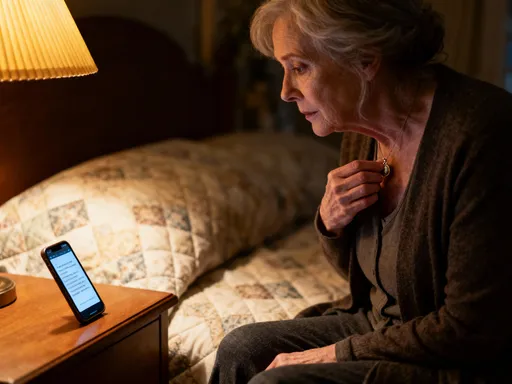
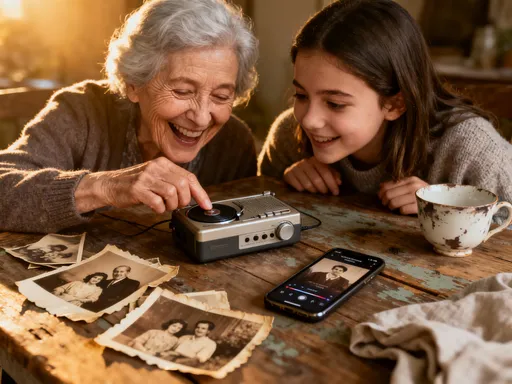
It happened on a quiet Sunday morning. My youngest was flipping through a photo album, giggling at pictures of herself as a toddler, when she turned to me and said, 'Mama, what did I sound like when I first talked?' My heart sank. I remembered the exact moment—her first full sentence, clear as a bell, right after breakfast. I had recorded it. I know I did. But where? Buried in a phone backup from three years ago? Lost in a cloud folder with a name like 'Voice_Memo_047'? I couldn’t find it. And that small, sweet piece of her childhood—gone.
This isn’t just my story. So many of us have lived this. We snap hundreds of photos, save voice notes, jot down thoughts in apps—but then life happens. We switch phones, forget passwords, or never organize what we’ve saved. The truth is, our memories aren’t failing us. Our systems are. We’ve been taught to save, but not to preserve. And the result? Moments that mattered deeply slip away, not because we didn’t care, but because we didn’t have a way to keep them close.
I remember another time—my mother shared a story about her mother’s cooking, something about cinnamon and slow-cooked apples. I asked if she had written it down. She smiled sadly and said, 'I meant to. But I kept putting it off. Now I can’t remember exactly how she did it.' That moment stayed with me. It wasn’t just about a recipe. It was about lineage, love, the little things that make us who we are. When we lose those, it feels like a quiet kind of grief. Not loud, not dramatic—but deep, and lasting.
So I started asking myself: What if it didn’t have to be this way? What if we could build a system that didn’t just store memories, but protected them? Not in some cold, digital vault, but in a space that felt warm, familiar, and alive? That’s when I began to look beyond the usual apps—and discovered something surprising.
How Knowledge Platforms Became My Memory Allies
I’ll admit, when I first heard the term 'knowledge platform,' I thought of college lectures or dry training modules. You know, the kind you sit through with coffee in hand, trying not to fall asleep. But then I stumbled on something different—a kind of digital space designed not just for learning, but for living. These platforms, originally built for teams to share ideas or students to collaborate, can actually be turned into deeply personal memory keepers. And once I saw that, everything changed.
Think of it this way: a knowledge platform isn’t just a database. It’s a living notebook, one that grows with you. You can write, record, upload, tag, and link ideas—all in one place. No more chasing files across apps. No more wondering where you saved that story about your son’s first camping trip or your daughter’s poem from third grade. It’s all in one home. And the best part? You don’t need to be tech-savvy to use it. If you can type a note or record a voice message, you’re already halfway there.
I started small. I created a private space just for our family. No public sharing, no strangers. Just us. I uploaded that old recording of my daughter’s first words—finally found it, buried in a backup. I added a photo, a little note about the morning, even the weather. Then I did the same for my mom’s apple recipe, typing it out from memory, adding her little quirks—'always stir counterclockwise,' she used to say. I tagged it 'Family Recipes' and 'Mom’s Wisdom.' Simple, right? But the feeling was anything but.
What surprised me most was how emotional it felt. It wasn’t just organizing data. It was honoring stories. And when my sister saw it, she added her own memories—stories about our dad, photos from their wedding, even a scanned letter he wrote her years ago. Suddenly, this platform wasn’t cold or technical. It was warm. It was ours. It became less about technology and more about connection. And that’s when I realized: these tools aren’t just for work or school. They can hold our hearts, too.
Personalization: Making Memory Tools Feel Like Home
Here’s what I’ve learned: if a tool doesn’t feel like it belongs to you, you won’t use it. That’s why personalization isn’t just a nice feature—it’s the heart of making memory-keeping last. When I first set up our family space, it looked clean, maybe even a little sterile. Neat folders, clear labels. But it didn’t spark joy. It felt like a filing cabinet. So I changed it. I renamed folders with names that meant something—'Grandma’s Stories,' 'The Year We Moved,' 'Voices of the Kids.' I added little icons, soft colors, even a photo of our kitchen as the background.
And I started using voice notes more. There’s something about hearing your own voice—or your mom’s, or your child’s—that no text can replace. So I set up a simple routine: every Sunday evening, the platform sends me a gentle reminder—'Reflect on one moment this week.' I don’t have to write a novel. Just a sentence. A sound. A photo. Sometimes I record my daughter laughing during a board game. Other times, I whisper a memory of my own childhood—something small, like the smell of rain on hot pavement. These aren’t grand events. But they’re real. And they matter.
The magic happens when these small acts become habits. Because the tool feels like home, I want to return to it. It’s not a chore. It’s a comfort. And when my teenage niece visited and saw the space, she said, 'This is like our family’s heartbeat.' That’s when I knew we’d done it right. Personalization isn’t about design. It’s about emotional safety. It’s about creating a space where memories don’t just live—they breathe.
You can do this too. Start with one memory. One story. Give it a name that means something. Add a voice clip. Use a label that makes you smile. These aren’t tech choices. They’re love choices. And when you make them, you’re not just saving data. You’re building a home for your heart.
Turning Daily Moments into Lasting Keepsakes
Let’s be honest—most of our lives aren’t made of big, dramatic events. They’re made of tiny, fleeting moments. The way your son hums when he’s focused. The joke your sister makes over coffee. The way the light hits the kitchen at 6 p.m. in July. These are the things we want to remember—but they’re also the easiest to lose.
So how do we catch them? Not by trying to document everything. That’s exhausting. Instead, I’ve learned to use small, smart habits—backed by simple tools—that turn daily life into a living archive. For example, I use a feature that lets me save voice notes directly to our family space with one tap. If I hear something sweet—a grandparent’s advice, a child’s silly rhyme—I record it right then. No need to open five apps. It goes straight to the right folder, tagged automatically.
I also set up gentle prompts. Every Friday, I get a message: 'What made you smile this week?' It’s not a test. No pressure. Just an invitation. Sometimes I write a line. Other times, I attach a photo of my garden or a screenshot of a sweet text from my sister. Over time, these little entries build a timeline—not of perfection, but of real life. And when I scroll through them months later, it’s like reliving the year, piece by piece.
One of my favorite moments? Last winter, I found a voice note I’d forgotten—my mom singing an old lullaby, recorded during a phone call. I hadn’t planned to save it. But because I had the system set up, it was there. I played it for my kids. They’d never heard her voice like that. They asked to hear it again. And again. That’s the power of small habits. They don’t feel like much in the moment. But over time? They become treasure.
You don’t need to be perfect. You don’t need to capture everything. Just start with one thing this week. A sound. A sentence. A photo. Save it in a place that means something. Make it easy. Make it yours. And watch how those little moments start to add up.
Sharing Memories Without Losing Their Soul
One of my biggest fears was that digitizing memories would make them feel cold—like turning love into data. But I’ve learned that the opposite can be true. When we share thoughtfully, we deepen the meaning. The key? Control. Intention. And privacy.
Our family space is private. Only invited members can see it. No algorithms, no ads, no strangers scrolling through our stories. But within that circle, sharing happens naturally. My brother added a scanned copy of our dad’s old fishing journal. My cousin uploaded a video of her daughter dancing in the kitchen—the same way I used to dance at that age. These aren’t just files. They’re conversations across time.
What I love most is how context travels with the memory. When I read my mom’s recipe, I don’t just see ingredients. I see her voice note explaining why she always used butter from the local farm. I see my sister’s comment: 'I remember this from Sunday dinners.' The memory isn’t isolated. It’s surrounded by love, by history, by connection. That’s something a photo album can’t always do.
And here’s the beautiful part: sharing doesn’t mean losing ownership. I still decide what to save, what to share, when to add more. It’s not about going viral. It’s about going deep. It’s about saying, 'This matters. And I want you to know it too.'
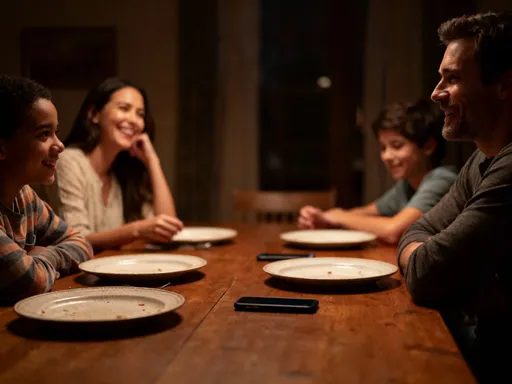
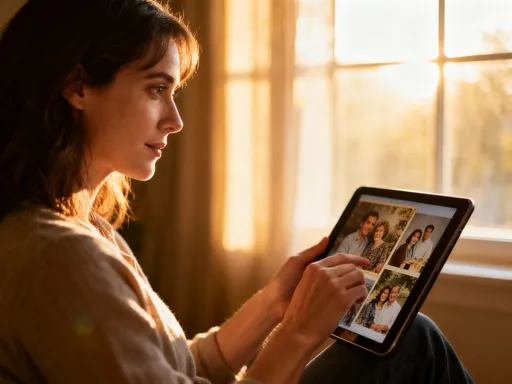
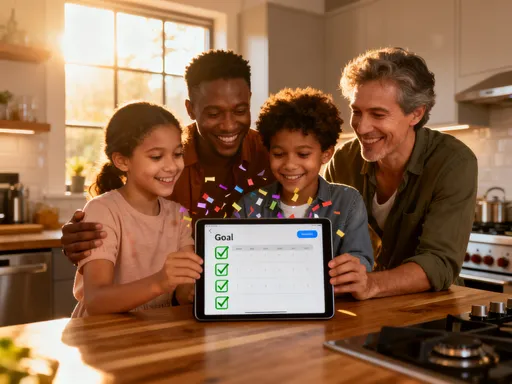
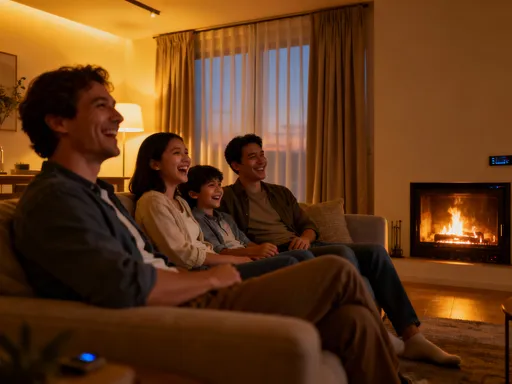
One evening, my daughter sat with me and scrolled through entries from her early years. She laughed at her toddler voice, paused at a story about her first day of school. Then she looked up and said, 'I didn’t know we had all this.' That moment—her seeing herself through my eyes, through our family’s eyes—was worth every minute I’d spent setting this up. Sharing isn’t about exposure. It’s about belonging.
Growing Alongside Your Digital Memory Garden
I used to think of memories as snapshots—frozen in time. But what I’ve discovered is that they’re more like plants. They grow. They change. They surprise you.
Recently, I revisited an old entry from five years ago—a note I’d written during a tough season. I was overwhelmed, doubting my choices, wondering if I was doing enough as a mom, a daughter, a friend. Reading it now, I felt two things: compassion for my past self, and pride in how far I’ve come. That note wasn’t just a record. It was a mirror. And it showed me growth I hadn’t even noticed.
That’s when I started thinking of our memory space as a garden. Some entries are flowers—bright, joyful, meant to be shared. Others are roots—deep, quiet, holding everything together. Some memories I return to often. Others sit quietly until the right moment. But they’re all part of the ecosystem. And just like a garden, this one needs care. A little attention. Regular visits. Room to grow.
Now, when I add a new memory, I don’t just think about the past. I think about the future. Who might read this? What might they learn? How might it help them feel less alone? A note about a hard day might comfort my daughter years from now. A recording of my laugh might remind my grandchildren what joy sounded like in our home.
This isn’t just preservation. It’s legacy. And it’s alive.
A Future Where Nothing Precious Gets Lost
When I look back at that Sunday morning—the one where I couldn’t find my daughter’s first words—I don’t feel guilt anymore. I feel gratitude. Because that moment led me here. To a system that doesn’t just save memories, but honors them. One that doesn’t demand perfection, but welcomes presence. One that turns the ordinary into something sacred.
This journey hasn’t been about mastering technology. It’s been about aligning it with what matters most—family, growth, love, identity. The tools I use aren’t flashy. They don’t promise miracles. But they do one powerful thing: they help me show up for my life. Not just live it, but witness it. Cherish it. Pass it on.
And now, when my daughter asks, 'What did I sound like when I was little?' I don’t panic. I smile. I tap a button. And her voice—clear, sweet, full of wonder—fills the room. She listens, wide-eyed. Then she says, 'Can we record me now, so I can hear it later?'
Yes, sweetheart. Yes, we can.
Because now, nothing precious has to get lost. Not the big moments. Not the small ones. Not the voices, the laughs, the quiet truths. We can keep them. We can share them. We can grow with them.
And in a world that moves too fast, that’s not just helpful. It’s healing. It’s hope. It’s home.