From Exhausted to Energized: How Tech Helped Me Fix My Sleep (And My Life)
You know that feeling—hitting snooze five times, dragging through mornings, and staring at screens until midnight? I was there too. Work blurred into night, my energy crashed by 3 PM, and I felt constantly behind. Then I realized: my schedule wasn’t just messy—it was stealing my life. With a few smart, simple tech tools and mindset shifts, I rebuilt my sleep rhythm. Now I wake up alert, focused, and actually enjoy my evenings. This isn’t about perfection—it’s about reclaiming your energy, one night at a time.
The Breaking Point: When Burnout Became Impossible to Ignore
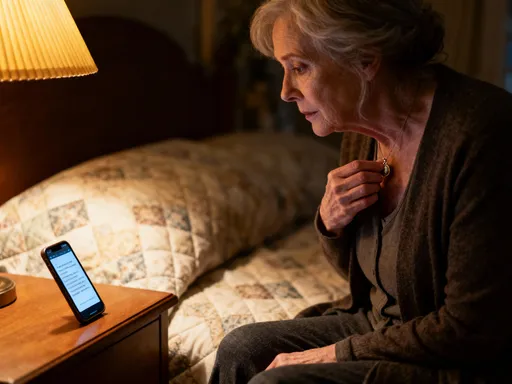
It wasn’t one dramatic moment—it was the slow drip of exhaustion that finally broke me. I remember standing in my kitchen one Tuesday morning, coffee in hand, staring blankly at the toaster as if it held the answers to why I felt so drained. My kids were asking questions I couldn’t process. My to-do list mocked me from the fridge. And all I wanted was to crawl back into bed, even though I’d technically ‘slept’ seven hours. That’s when it hit me: I wasn’t tired because I worked hard. I was exhausted because my rest wasn’t working.
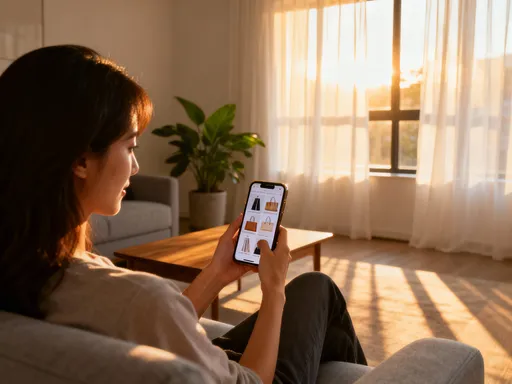
My nights had become a cycle of late emails, endless scrolling, and that familiar blue glow of my phone keeping me awake long past when my body needed to wind down. I’d tell myself, ‘Just five more minutes,’ but those minutes turned into hours. By the time I closed my eyes, my mind was still racing through deadlines, school pickups, grocery lists, and unanswered texts. The next morning, I’d wake up feeling like I’d barely slept at all. My focus was shot, my patience thinner than ever, and my motivation? Gone by 10 a.m.
It wasn’t just about being tired. It was how it seeped into everything—my mood, my ability to connect with my family, even the way I showed up at work. I snapped at small things. I forgot appointments. I canceled plans because I just didn’t have the energy. And worst of all, I started to believe this was just how life was supposed to feel after 40. But deep down, I knew something had to change. I didn’t want to just survive my days. I wanted to feel alive in them again.
Why Sleep Is the Hidden Engine of Productivity (Not a Luxury)
For years, I treated sleep like a reward—something I’d get to after everything else was done. But the truth is, sleep isn’t the result of a productive day. It’s the foundation of one. Think of your brain like a smartphone. You wouldn’t expect it to run smoothly all day on 20% battery, right? And yet, that’s exactly what we do to ourselves when we skimp on rest. Your brain uses sleep to recharge, process emotions, consolidate memories, and reset your nervous system. Without it, you’re running on a glitchy operating system.
When I started learning more, I realized how deeply poor sleep was affecting my daily life. It wasn’t just about feeling groggy. It was making me less creative, slower to respond, and more reactive to stress. I’d sit down to write a report and find myself rereading the same sentence three times. I’d walk into a room and forget why I was there. And my emotional resilience? It was nonexistent. A minor setback at work would leave me in tears, and a messy kitchen could send me into a spiral of frustration.
Science shows that consistent, quality sleep improves focus, decision-making, and even your ability to regulate emotions. It’s not about being lazy or indulgent—it’s about giving your body and mind the maintenance they need to function well. When I reframed sleep as essential self-care instead of a luxury, everything shifted. I stopped seeing those quiet nights as wasted time and started seeing them as investments—in my health, my relationships, and my ability to show up as the person I wanted to be.
Mapping My Messy Routine: The First Step Toward Change
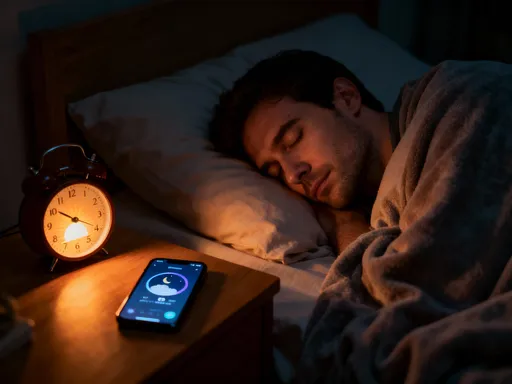
Before I could fix anything, I had to see what I was actually doing. So I downloaded a simple habit-tracking app—nothing fancy, just something that let me log my bedtime, wake time, screen use, and how I felt in the morning. For one week, I wrote everything down without judgment. No trying to improve, no guilt—just observation.
What I discovered shocked me. On average, I was spending over two hours on my phone after 9 p.m. Most of it wasn’t even enjoyable—just mindless scrolling through social media, checking emails I didn’t need to reply to, or watching videos I wouldn’t remember the next day. My bedtime varied wildly—sometimes 10:30, sometimes past midnight. And my morning energy? Consistently rated a 2 out of 10.
Seeing it in black and white made it real. I wasn’t just ‘tired’—I was disrupting my body’s natural rhythm every single night. The app didn’t judge me, but it didn’t lie either. It showed me the patterns: the late caffeine, the screen exposure, the lack of a real wind-down routine. And for the first time, I realized that change wasn’t about willpower. It was about awareness. Once I could see the problem clearly, I could start building solutions that actually worked for my life.
Tech as My Sleep Ally: Tools That Gently Guided My Rhythm
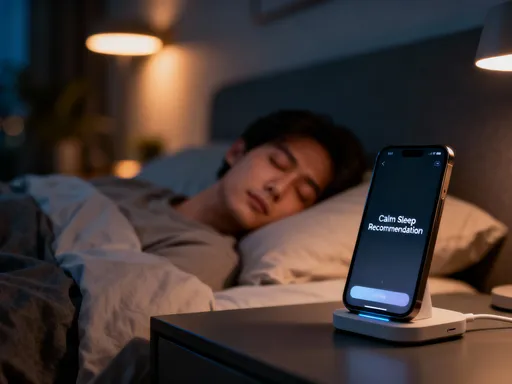
I used to think technology was the enemy of good sleep—and in many ways, it was. But I also realized that the same tools pulling me into late-night scrolling could be repurposed to help me unwind. The key was choosing tech that supported rest, not stimulation.
One of the first things I tried was a sunrise alarm clock. Instead of jolting awake to a blaring sound, I started waking up to a soft, gradual light that mimics a real sunrise. It felt gentler, kinder—like my body had time to wake up naturally. No more heart-racing, disoriented mornings. Just a quiet, peaceful start.
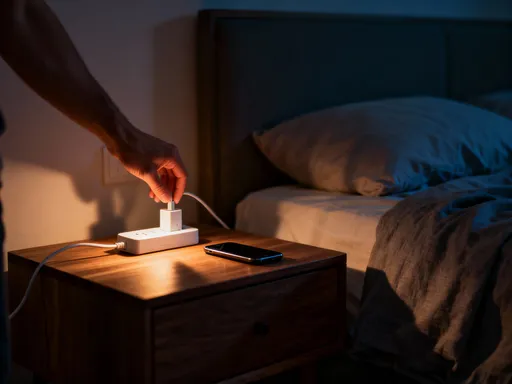
Then I set up a smart plug for my TV. I programmed it to turn off automatically at 9:30 p.m. At first, I resisted—what if I wanted to watch something later? But within days, it became a helpful boundary. When the screen went dark, it was a clear signal: ‘Your evening is winding down.’ No willpower needed.
I also started using a wind-down playlist generator app. Every night at 8:30, it would send me a custom playlist of calming music—soft piano, nature sounds, gentle instrumentals. I’d dim the lights, put on the playlist, and let it guide me into a quieter state. It wasn’t magic, but it created a ritual. Over time, my brain started to associate that music with relaxation, like a lullaby for grown-ups.
These tools didn’t fix everything overnight. But they made consistency easier. They removed the need to make decisions when I was already tired. And most importantly, they sent a message to my nervous system: it’s safe to slow down now.
Designing a Nightly Ritual That Actually Stuck
Once I had the tools in place, I focused on building a routine that felt good, not forced. I didn’t want another chore to add to my list. I wanted something that felt like a gift—a small act of care for myself.
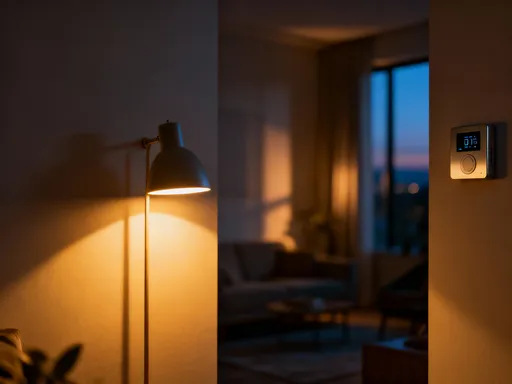
I started by setting a ‘digital sunset’ at 8:30 p.m. That’s when I’d switch my phone to grayscale mode, which made scrolling way less tempting. The colors were gone, the dopamine hit dulled. It wasn’t perfect, but it helped me pause and ask, ‘Do I really need to be on this right now?’
Then came the wind-down ritual: dimming the lights, lighting a candle, and spending ten minutes journaling on my tablet. I used a blue-light filter so the screen wouldn’t interfere with melatonin. I’d write down three things I was grateful for, one thing I did well that day, and one intention for tomorrow. It wasn’t deep therapy—just a way to clear my mind and end the day with a sense of closure.
After that, I’d use a meditation app for ten minutes. I started with guided sessions labeled ‘for sleep’ or ‘body scan.’ At first, my mind wandered constantly. But I didn’t pressure myself to ‘do it right.’ I just showed up. Over time, those ten minutes became something I looked forward to—a quiet pause in a loud world.
The key was making it feel inviting, not rigid. Some nights I skipped journaling. Some nights I fell asleep during meditation. And that was okay. The goal wasn’t perfection. It was creating a gentle rhythm that my body could trust—something to return to, night after night.
The Ripple Effect: How Better Sleep Transformed My Days
The changes didn’t happen overnight, but slowly, something shifted. I started waking up before my alarm. Not groggy. Not resentful. Just… awake. And for the first time in years, I didn’t reach for my phone. I’d lie there for a few minutes, feeling the quiet, listening to the birds, savoring the stillness.
Those extra morning moments became sacred. I’d make coffee, sit by the window, and just breathe. Sometimes I’d stretch. Sometimes I’d read a few pages of a book. No rush. No noise. Just me, starting the day on my own terms.
And the energy—I can’t even explain how different it felt. My focus sharpened. I stopped forgetting names and appointments. I had patience with my kids, even on chaotic mornings. At work, I was clearer, calmer, more creative. I stopped overworking because I didn’t need to—my mind was sharper, so I got more done in less time.
But beyond productivity, I felt more like myself. I laughed more. I listened better. I had space to think, to feel, to just be. My relationships improved because I wasn’t running on empty. And for the first time in a long time, I felt in control—not of everything, but of my own rhythm. That sense of calm didn’t come from doing more. It came from resting better.
Building a Sustainable System, Not a Perfect One
I’ll be honest—life still happens. Sometimes the kids are up late. Sometimes work spills into the evening. Sometimes I just want to watch one more episode. And that’s okay. The goal isn’t to be perfect. It’s to be consistent most of the time.
What’s helped me stay on track is building in flexibility. On weekends, I let myself stay up a little later—within reason. If I miss my wind-down routine, I don’t beat myself up. I just return to it the next night. I’ve also set up gentle tech nudges—a reminder at 8:15 p.m. that says, ‘Time to start winding down,’ not because I’m bad at managing time, but because I care about how I feel tomorrow.
I’ve learned to treat myself with compassion. Progress isn’t linear. Some weeks are better than others. But the tools and routines I’ve built act like guardrails—keeping me from veering too far off course. And when I do slip, I don’t see it as failure. I see it as data. What pulled me off track? How can I adjust?
The most important thing I’ve learned is that self-care isn’t selfish. It’s necessary. And using tech to support it isn’t cheating—it’s smart. These tools don’t replace discipline. They make it easier to live the way I want to live.
Reclaiming Your Nights, Reclaiming Yourself
Fixing my sleep didn’t just change my nights. It changed my life. I’m more present, more patient, more energized. I don’t feel like I’m constantly playing catch-up. I have space to breathe, to think, to enjoy the small moments. And honestly? I feel more like myself than I have in years.
This journey wasn’t about chasing productivity or becoming some super-efficient version of me. It was about remembering how to care for myself in a world that never stops asking for more. The tech tools I used—simple, gentle, intentional—weren’t the solution. They were the support. The real change came from deciding that my rest mattered. That my energy mattered. That I mattered.
If you’re reading this and recognizing yourself in my story—that constant tiredness, the endless to-do list, the feeling that you’re giving everything and getting nothing back—I want you to know: it doesn’t have to be this way. You don’t have to accept exhaustion as normal. Small changes, supported by the right tools, can create big shifts. You don’t need a complete overhaul. You just need one quiet night. Then another. Then another.
Because when you start sleeping better, you start living better. And that’s not just a promise. It’s something I live every single day.