After Using 3 Language Apps with My Mom, This One Finally Brought Her Joy and Routine
Life can feel slower and lonelier as we age — and for many older adults, even daily routines lose their rhythm. I noticed this when my mom stopped cooking her favorite meals or forgetting to call me on Sundays. But everything changed when we tried language learning together. It wasn’t about fluency — it was about reawakening curiosity, creating structure, and sharing small wins. This is how one simple app quietly transformed her days — and brought us closer. It didn’t happen overnight, and no doctor prescribed it. It started with a silly video call, a few mispronounced words, and a shared laugh. But that small spark grew into something steady — a daily ritual, a reason to smile, and a way for my mom to feel capable again.
The Silent Shift: When Aging Disrupts Daily Rhythm
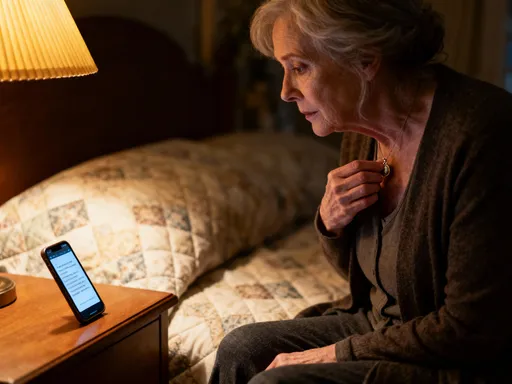
There’s a quiet change that happens as we get older — one that doesn’t come with pain or diagnosis, but with a slow fading of purpose. My mom used to wake up at 6:30 a.m. sharp, put on the kettle, and start planning her day. She’d write lists: grocery runs, phone calls to cousins, recipes to try. But over the years, those lists disappeared. She’d wake up late, skip breakfast, and spend hours in her robe, flipping through channels. At first, I told myself it was just retirement — she’d earned the right to rest. But then she stopped baking her famous apple pie. She forgot to call me on Mother’s Day. And when I asked how her week was, she’d say, “Same as always.”
That phrase broke my heart. Because her days weren’t just quiet — they were empty. Without the rhythm of work, school, or social obligations, time had become formless. Mornings blurred into afternoons. Weekdays felt no different from weekends. I realized she wasn’t just tired — she was missing the small milestones that once gave her life shape. And I knew we needed something gentle, something that didn’t feel like therapy or treatment, but like a natural part of her day. We needed a reason to begin again — not because she was sick, but because she deserved joy.
Why Language Learning? A Surprising Path to Rebuilding Routine
I’ll admit, the idea of my mom learning a new language sounded a little far-fetched at first. She’d never studied French or Spanish in school. Her idea of travel was a cruise with matching luggage. But then I read a study about how learning a language in later life supports brain health — not just memory, but mood and focus, too. And I realized it wasn’t about becoming fluent. It was about giving her a reason to show up each day. A lesson, even a short one, creates structure. It’s something to prepare for, something to complete. It’s a tiny win that says, “I did something today.”
Language learning also taps into something deeper — curiosity. For years, my mom had stopped asking questions. She didn’t wonder how things worked or why people spoke differently. But when I suggested we try learning Italian together — because of her love for lasagna and old Sophia Loren movies — her eyes lit up. “Just for fun?” she asked. I said yes. And in that moment, I saw a flicker of the woman she used to be: playful, eager, interested. That’s when I knew this wasn’t just about words. It was about reigniting a part of her that had gone quiet.
Experts say cognitive engagement helps delay mental decline, but what they don’t always talk about is the emotional side. When you learn something new, you feel alive. You feel capable. And for someone who’s been told, “Just take it easy,” that feeling can be revolutionary. Language learning isn’t a cure — but it can be a quiet rebellion against the idea that older adults don’t grow anymore.
Testing Tools: Three Apps That Promised Help (and One That Delivered)
We started with three different language apps, each one popular and highly rated. The first was fast-paced, with quick quizzes and timed responses. Within minutes, my mom felt overwhelmed. “It’s like a test I didn’t study for,” she said, closing the app with a sigh. The second was aimed at kids — bright colors, cartoon animals, and songs about farm animals. She laughed at first, but then said, “I don’t want to learn French from a dancing cow.” It wasn’t for her. The third required a lot of reading and typing — small text, no voice support. After ten minutes, she said her eyes hurt and her fingers were too stiff to keep up.
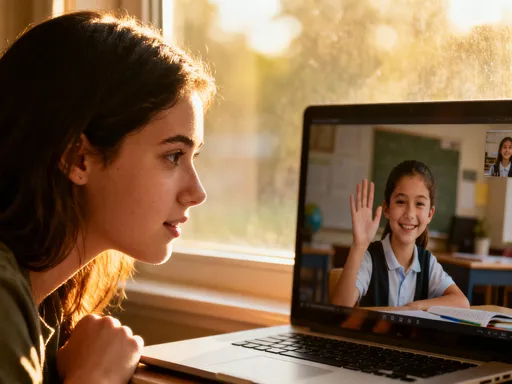
I was starting to lose hope. Maybe this wasn’t the right path after all. But then I found one that was different. It had large, clear icons. Soft-spoken audio with slow repetition. Lessons that lasted only five minutes. No pressure, no score, no timer. Just gentle encouragement. I showed it to my mom, and she said, “Oh, this feels kind.” That was the word — kind. It didn’t demand perfection. It celebrated trying. We started with basic greetings: “Hello,” “Good morning,” “How are you?” Simple, but meaningful. And every time she got one right, she’d look at me through the video call and say, “I did it!”
What made this app work wasn’t just the design — it was how it fit into her life. She could use it on her tablet, sitting in her favorite chair. She didn’t need glasses or perfect hearing. The voice was clear, the pace was slow, and the words were repeated just enough. It felt like a conversation, not a test. And because it was only five minutes, it never felt like a chore. It became something she looked forward to — not because she wanted to master Italian, but because it made her feel good.
How a 5-Minute Daily Habit Transformed Her Mornings
The change started in the mornings. For years, my mom had struggled to get going. She’d wake up, turn on the news, and stay in bed until noon. But now, something shifted. After her coffee, she’d open the app. Five minutes. That’s all it took. She’d listen to the phrase, repeat it out loud, and record her voice. Then she’d send me the recording like a little message. “Buongiorno, cara!” she’d say, smiling. I’d reply with a thumbs-up or a silly correction, and she’d try again.
Those five minutes became her anchor. They gave her a sense of accomplishment before 8 a.m. She wasn’t just passing time — she was doing something. And that small win spilled into the rest of her day. She started dressing earlier. She began making breakfast. She even opened the curtains and let the sunlight in. I noticed she was walking more, too — not because she’d decided to exercise, but because she felt more energy. Her posture improved. Her voice sounded stronger. And when I asked how she was, she’d say, “I’m learning something new!” — with real pride.
What looked like play was actually powerful cognitive work. Repeating phrases strengthened her memory. Listening to slow audio improved her hearing and focus. Recording her voice helped with speech and confidence. And doing it daily built consistency — a skill that had been missing for too long. The app didn’t just teach language. It rebuilt her sense of rhythm, one small habit at a time.
Building Connection Across Generations Through Shared Learning
What I didn’t expect was how this little habit would bring our whole family closer. My kids, aged 8 and 10, started joining our video calls. “Can we learn Italian too?” they asked. So we turned it into a game. We made flashcards with drawings. We practiced together. My son tried to say “pizza” and ended up saying “pazzo” — which means “crazy” — and we all laughed until we cried. My mom loved being the one who knew the right answer. She’d correct us gently, like a teacher. “No, caro, it’s ‘pi-zza,’ not ‘paz-zo,’” she’d say, spelling it out.
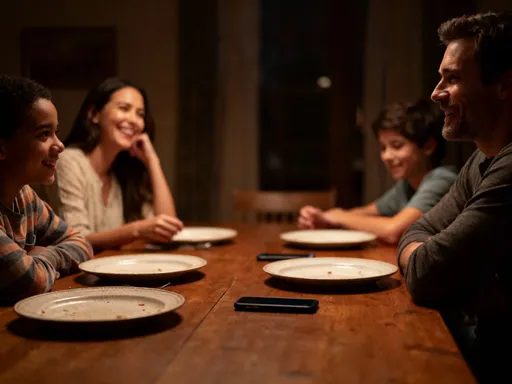
Her role changed in our family. She wasn’t just the grandma who baked cookies or told old stories. She was the one who taught us something new. She was the guide. And that made her feel needed — in a way that mattered. At dinner, we’d talk about her progress. “Did Nonna learn any new words today?” my daughter would ask. And when my mom shared a phrase, we’d all try to repeat it. It became our little ritual — not just hers, but ours.
Language became a bridge. It wasn’t just about grammar or vocabulary. It was about presence. It was about showing up, listening, and sharing joy. We weren’t just learning Italian — we were learning how to connect in a new way. And for my mom, that connection gave her a reason to keep going. She wasn’t just learning for herself. She was learning for us.
Beyond Words: How Language Learning Supports Emotional and Physical Well-Being
The changes went deeper than we expected. My mom started sleeping better. She said her mind felt “clearer” at night. She wasn’t lying awake, replaying old worries. She was thinking about her next lesson. She began walking to the mailbox every day — something she hadn’t done in months. Then she started tending to her flower garden again. “I have energy now,” she told me. “It’s like something woke up inside me.”
Her doctor noticed, too. At her last check-up, her blood pressure was lower. Her mood was brighter. She was more engaged in the conversation. The doctor said, “You’re doing something right.” And I knew it wasn’t just the app — it was the routine, the mental engagement, the sense of purpose. When you have something to look forward to each day, your whole body responds. You sleep better. You move more. You eat better. It’s not magic — it’s momentum.
Studies show that cognitive stimulation helps maintain brain function in older adults. But what we experienced was more personal. It was joy. It was pride. It was the look on her face when she mastered a new phrase. It was the way she stood a little taller when she said, “I can still learn.” And that confidence spread. She started taking her medication on time. She drank more water. She even joined a local senior walking group. All because a five-minute habit reminded her that she was still growing.
Starting Small: How You Can Begin This Journey with a Loved One
You don’t need to be a tech expert. You don’t need to pick a “useful” language. And you definitely don’t need to aim for fluency. The goal isn’t perfection — it’s presence. Start small. Choose a language that brings back happy memories. Maybe it’s French because of a honeymoon in Paris. Maybe it’s Spanish because of a favorite song. Or German because of your grandmother’s recipes. Let it be personal. Let it be joyful.
Pick an app that’s simple, gentle, and visual. Look for one with large text, clear audio, and short lessons. Test it together. Sit side by side, or on a video call. Laugh when you mispronounce words. Celebrate every try — even the wrong ones. Make it a shared moment, not a task. And don’t worry if they forget the words tomorrow. The point isn’t retention — it’s engagement. It’s the act of trying, of showing up, of saying, “I’m still here.”
Use a tablet instead of a phone — the screen is easier to see. Increase the font size. Play the audio slowly. Let them go at their own pace. And most importantly, be patient. This isn’t about speed. It’s about dignity. It’s about giving someone the chance to feel capable, curious, and connected. In our case, one app didn’t just teach words. It gave my mom her rhythm back. It gave her mornings with purpose. It gave her laughter, pride, and a reason to call me — not because she had to, but because she wanted to share a new word she’d learned.
And for me, it gave something too — the gift of seeing her light up again. Of watching her grow, not despite her age, but within it. Of knowing that learning doesn’t have an expiration date. That joy can come from the smallest things: a phrase, a smile, a shared moment across miles. If you have a parent, a grandparent, or a loved one who’s lost their spark, try this. Not because it’s a miracle, but because it’s simple. Because sometimes, the right tool — used with love — can bring back more than words. It can bring back rhythm. It can bring back connection. It can bring back joy.