More Than Numbers: How Tracking My Spending Quietly Changed My Life
Have you ever wondered where your money really goes? I used to feel overwhelmed, too—until I started quietly tracking my spending with simple tools. It wasn’t about strict budgets or cutting out coffee. It was about seeing patterns, making smarter choices, and finally feeling in control. This small shift didn’t just save me money—it gave me peace of mind, helped me plan for what matters, and brought quiet confidence to my daily life. It didn’t take a financial crisis or a dramatic lifestyle change. Just a few small moments of awareness, a little curiosity, and one app that made all the difference. If you’ve ever looked at your bank balance and thought, How did that happen?, I get it. And I want to tell you this: you’re not alone, and it’s easier to change than you think.
The Moment I Realized I Was Losing Track
It was a Tuesday afternoon, nothing special about the day. I was standing in a home goods store, holding a set of linen napkins I didn’t need, while my phone buzzed with a low-balance alert from my bank. I remember freezing right there between the kitchen towels and the scented candles, feeling a strange mix of guilt and confusion. How could I be low on funds when I’d just paid all the bills? I wasn’t living extravagantly. I didn’t go out every weekend or splurge on designer clothes. And yet, here I was, staring at a $38 purchase I couldn’t fully explain—just another ‘small thing’ that had slipped through the cracks.
That moment wasn’t about the napkins. It was about the pattern. I realized I’d been making dozens of these tiny decisions every week—grabbing a salad on the way home, replacing a worn-out handbag, buying school supplies in bits and pieces—none of them outrageous, but all of them invisible to me until they added up. I wasn’t careless with money, but I wasn’t aware of it either. And that lack of awareness was costing me more than just dollars. It was costing me peace. I’d lie awake sometimes, wondering if we could afford car repairs, or if I should say no to my daughter’s birthday party invitation, not because we were in crisis, but because I simply didn’t know where things stood. That uncertainty was exhausting.
What surprised me most was how normal it all felt. Talking to other moms at school pickup, I realized I wasn’t the only one. So many of us are doing our best—juggling groceries, activities, household needs—without a clear picture of where our money goes. We’re not bad with money. We’re just busy. And when you’re busy, small purchases become automatic. You don’t think about the $4 tea every morning or the online order that shows up two weeks later. But over time, those little things become big things. That day in the store, I didn’t leave with the napkins. I left with a question: What else am I not seeing?
Why I Chose Tracking Over Budgeting
I’ll admit, my first instinct was to jump into budgeting. I downloaded a few apps, tried to set spending limits, and even printed out a spreadsheet (yes, really). But within a week, I was overwhelmed. The categories felt rigid—‘entertainment,’ ‘dining out,’ ‘miscellaneous’—and my real life didn’t fit into neat boxes. What about the last-minute gift for a coworker? Or the vet bill that wasn’t in the budget? Every time I went over a limit, I felt like I’d failed. Budgeting started to feel like a report card I was destined to flunk.
That’s when I heard about spending tracking—just watching where the money goes, without judgment. No rules, no limits, no guilt. Just observation. At first, it sounded too simple. How could just looking at my spending make a difference? But the more I thought about it, the more it made sense. I didn’t need more rules. I needed clarity. I needed to understand my habits before I could change them. So I let go of the idea of a perfect budget and decided to just track—quietly, gently—for one month. No pressure. Just data.
And something shifted almost immediately. Without the weight of judgment, I became curious instead of defensive. I wasn’t tracking to punish myself; I was tracking to learn. It felt more like journaling than accounting. I started noticing things—like how I spent more on groceries when I shopped hungry, or how I clicked ‘buy now’ more often late at night. These weren’t flaws. They were patterns. And patterns can be changed. Tracking didn’t feel like a chore. It felt like getting to know myself a little better. I wasn’t managing money. I was understanding it. And that made all the difference.
The App That Fit Into My Real Life
I won’t lie—I was skeptical about apps. I’d tried a few before, and they either required too much input or were so complicated I gave up after two days. I didn’t want to spend my evenings logging every coffee and parking fee. I wanted something that worked with my life, not against it. What I needed was simplicity. Automation. Something that didn’t add to my to-do list.
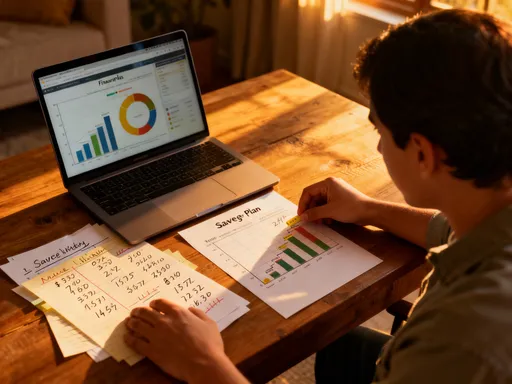
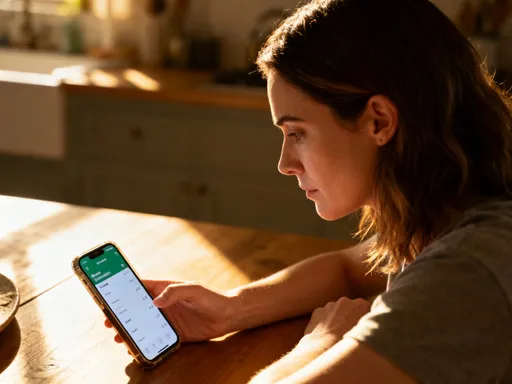
Then I found one that actually fit. It connected securely to my bank accounts and credit cards, updated automatically, and categorized my spending without me lifting a finger. No spreadsheets. No manual entry. Just a clear, color-coded view of where my money was going. I could open it in the morning while my coffee brewed, scroll for two minutes, and feel informed—not stressed. The design was clean, the language simple, and it didn’t bombard me with ads or pushy alerts. It was like having a calm, organized friend quietly helping me keep track.
What made it work wasn’t the features—it was how invisible it became. I didn’t have to remember to use it. It was just there, working in the background. I could see my weekly grocery total, notice a recurring charge I’d forgotten about, or check my monthly spending with a single tap. It didn’t demand perfection. It didn’t shame me for overspending. It just showed me the truth. And because it was so easy, I stuck with it. I didn’t need willpower. I just needed something that fit. And when a tool feels like part of your routine instead of another burden, you’re much more likely to keep going.
What I Actually Discovered (And How It Surprised Me)
The first month of tracking was eye-opening. I expected to see high dining-out costs or too many clothes purchases. But the real culprits were quieter, sneakier. The biggest surprise? Subscriptions. I had three streaming services, a meal kit I’d forgotten to cancel, a cloud storage plan I didn’t use, and a beauty box that showed up like clockwork—none of them expensive on their own, but together, they added up to over $80 a month. That’s nearly a full grocery run, just vanishing without me noticing.
Another pattern emerged around stress. I started to notice that on days when I felt overwhelmed—juggling sick kids, work deadlines, household chaos—I was more likely to make small online purchases. A new book ‘to relax,’ a candle ‘for the mood,’ a set of cozy socks ‘just because.’ They weren’t big spends, but they were emotional, and they happened most often on Fridays after a long week. I wasn’t shopping because I needed anything. I was shopping because I was tired. Seeing that connection was powerful. It didn’t make me feel guilty—it made me compassionate. I wasn’t ‘bad with money.’ I was using spending as a quiet way to cope.
Weekends were another blind spot. I thought we were careful, but tracking showed that small weekend outings—ice cream stops, drive-thru lunches, unplanned toy purchases—were quietly draining our account. We weren’t living lavishly, but we weren’t intentional either. The data didn’t judge me. It just showed me what was happening. And once I saw it, I could make different choices—not out of restriction, but out of awareness. I canceled two subscriptions, set a monthly reminder to review recurring charges, and started planning weekend activities in advance. Small changes, but they added up—both in savings and in peace of mind.
How Tracking Helped Me Plan for What Matters
Once I could see where my money was going, I started to think differently about where I wanted it to go. Before, saving felt like deprivation—cutting back just to save. But tracking changed that. It wasn’t about taking things away. It was about making space for what I truly valued. I realized I could redirect the money I was wasting on forgotten subscriptions and impulse buys toward things that brought real joy—like a family trip to the mountains we’d been talking about for years.
I opened a separate savings goal in the app and started moving a small amount each week—$25, sometimes $50—money I knew I wouldn’t miss because I finally understood my flow. Watching that number grow was incredibly motivating. It wasn’t just a number. It was a promise to ourselves. When the trip happened, it felt even better because we hadn’t gone into debt or stressed about the cost. We’d planned, we’d saved, and we’d earned it.
Tracking also helped me handle unexpected expenses without panic. When the washing machine broke, I didn’t have to scramble or put it on a credit card. I already had a small emergency fund built up—money I’d moved aside once I saw how much I was spending on things I didn’t care about. I could fix the problem calmly, without that familiar knot of anxiety in my stomach. For the first time, I felt like I was steering my finances, not just reacting to them. Money wasn’t controlling me. I was using it—on purpose.
The Unexpected Emotional Shift
I didn’t expect tracking to change how I felt. I thought it would help me save, maybe reduce stress a little. But what happened was deeper. The constant background worry—the ‘what if’ thoughts about money—started to fade. I wasn’t obsessing over every dollar, but I wasn’t afraid of them either. I knew where things stood. That simple knowledge brought a kind of calm I hadn’t felt in years.
I noticed it in small ways. I slept better. I wasn’t lying awake wondering if we could afford the school field trip. I was kinder to my husband in conversations about money—we weren’t snapping at each other over surprise charges. I felt more present with my kids, not distracted by financial ‘what ifs.’ And when I did treat myself—whether it was a new book or a quiet afternoon at a café—I enjoyed it fully, without guilt. Because now, it was a choice, not a reaction.
This wasn’t just about money. It was about freedom. The freedom to make decisions without fear. The freedom to say yes to things that mattered. The freedom to stop feeling ashamed of not ‘having it all together.’ Tracking gave me back a sense of control—not perfection, but progress. And that shift in mindset changed everything. I wasn’t just managing my finances. I was caring for my family, my peace, and myself in a more intentional way.
Starting Small: How You Can Begin Tomorrow
If you’re thinking about trying this, I want you to know: you don’t need to be perfect. You don’t need to track every penny from day one. You don’t even need to change anything right away. Just start with awareness. Pick one card—your grocery card or your everyday debit card—and link it to a simple, free app. Let it run in the background. Check it once a week, just to look. No judgment. No pressure. Just curiosity.
You might notice a pattern in your spending. You might spot a forgotten subscription. You might feel surprised, or relieved, or a little proud of yourself for taking the first step. Any of that is progress. And when you’re ready, you can do a little more—set a small savings goal, review your recurring charges, or plan one weekend in advance. But none of it has to happen today.
The most important thing is to begin. Not with a grand plan, but with a small act of kindness toward yourself. You’re not tracking to fix yourself. You’re tracking to understand yourself. And that understanding? It’s the first step toward a calmer, clearer, more intentional life. You don’t need more money to feel in control. You just need to see what’s already there.
Looking back, tracking didn’t change my income—but it changed everything else. It taught me that real financial freedom isn’t about having more, but seeing clearly. When you understand your habits, every choice becomes intentional. And that quiet awareness? It’s the most powerful tool I’ve ever used.