How I Mastered Experience Spending Without Blowing My Budget
We all crave unforgettable moments—travel, concerts, fine dining—but overspending on experiences can wreck financial goals. I learned this the hard way. After burning through savings on “once-in-a-lifetime” trips, I rebuilt a smarter approach. Now, I enjoy premium experiences while staying in control. This is how I balance passion and prudence, turning experience consumption into a sustainable, rewarding part of my financial life—without the regret.
The Hidden Cost of Chasing Experiences
It starts with good intentions. A weekend escape to unwind, tickets to see a favorite performer, or a celebratory dinner at a trendy restaurant—these are not extravagant by themselves. Yet, when repeated without awareness, they form a silent drain on personal finances. Unlike physical purchases, which may lose value or sit unused, experiences deliver emotional rewards that feel justified in the moment. This emotional payoff often overrides rational budgeting, leading people to spend beyond their means. The danger lies not in indulgence itself, but in the pattern of habitual, unexamined spending disguised as self-care or celebration.
The concept of “treat culture” has grown significantly over the past decade, fueled by social media and consumer messaging that equate spending with self-worth. “You deserve it,” ads say, and it’s easy to agree when life feels demanding. But repeated small luxuries add up quickly. A $150 concert ticket every few months, a $300 weekend trip twice a year, and regular upscale dinners can total over $3,000 annually—enough to fund a solid emergency reserve or make a meaningful contribution to retirement savings. What feels like occasional splurging can quietly become lifestyle inflation, where expectations rise with income, leaving little room for long-term goals.
Psychologically, experiences are harder to track than tangible items. A new dress appears in the closet; a vacation lives in memory. This intangibility makes it easier to underestimate frequency and cost. Moreover, dopamine spikes during enjoyable events reinforce the behavior, creating a cycle where people seek more experiences to recapture that feeling. Without a clear framework, this pursuit can lead to credit card debt, delayed financial milestones, or the stress of living paycheck to paycheck despite a stable income. The real cost of chasing experiences isn’t just monetary—it’s the erosion of financial peace.
Consider the case of a professional in her early 40s who loved traveling. She took at least four trips a year, often booking last-minute to maximize flexibility. While each trip brought joy, the lack of planning led to higher prices and frequent use of credit. Over three years, she spent nearly $18,000 on travel—more than her annual contribution to her retirement account. When an unexpected car repair arose, she had no emergency fund to fall back on. Her story isn’t unique. It illustrates how emotionally rewarding spending, when unmanaged, can compromise financial resilience. Recognizing this pattern is the first step toward change.
Why Risk Control Matters in Experience Consumption
Enjoying life is not the enemy of financial health—lack of control is. Experience spending becomes risky when it occurs without boundaries, planning, or alignment with broader financial objectives. High earners are not immune; in fact, they may be more vulnerable to what economists call “lifestyle creep,” where increased income leads to increased discretionary spending without proportional gains in savings or investment. Without risk control, even well-paid individuals can find themselves cash-poor, stressed, and unable to handle emergencies.
The impact of unmanaged experience spending extends beyond the momentary transaction. It affects emergency preparedness, long-term wealth building, and overall financial confidence. When too much income flows into short-term pleasures, less is available to build a safety net. A survey by the Federal Reserve found that nearly 37% of Americans would struggle to cover a $400 unexpected expense. For those regularly spending on premium experiences without a buffer, such a scenario can lead to debt accumulation. Credit card balances grow, interest compounds, and financial flexibility diminishes.
Impulsive versus intentional spending is the core distinction. Impulsive spending reacts to emotion, social pressure, or marketing. It answers the question, “Do I want this now?” Intentional spending asks, “Does this align with my values and goals?” The latter approach does not eliminate enjoyment but ensures it exists within a sustainable framework. For example, choosing to attend a concert because it holds deep personal meaning is different from buying tickets simply because friends are going. One reinforces identity and joy; the other may feed conformity and regret.
Risk control in experience consumption means setting limits before the urge to spend arises. It involves understanding personal spending triggers, such as stress, boredom, or social comparison, and creating systems to pause and reflect. Automated savings, pre-approved budgets, and delayed purchase rules can all serve as safeguards. These tools don’t eliminate spontaneity but channel it into responsible choices. The goal is not deprivation but empowerment—the ability to say yes to what matters because you’ve said no to what doesn’t.
Moreover, uncontrolled experience spending can delay major life goals. Saving for a home, funding a child’s education, or retiring with dignity requires consistent investment. When discretionary spending grows unchecked, these priorities get pushed further into the future. By applying risk management principles—such as setting spending caps, tracking outcomes, and reviewing decisions periodically—individuals gain clarity and confidence. They learn that financial discipline isn’t a barrier to joy but the foundation that makes lasting joy possible.
Building Your Experience Spending Framework
Freedom in spending comes not from unlimited funds but from clear structure. A well-designed experience spending framework transforms emotional decisions into intentional choices. The first step is self-reflection: identifying which experiences genuinely enrich life and which are driven by external influences. This values-based approach separates “core joy” activities—those that align with personal passions, relationships, or growth—from “social pressure” activities, such as attending events out of obligation or to maintain appearances.
Once values are clarified, the next step is categorization. Not all experiences carry equal weight. A family reunion may hold deep emotional significance, while a trendy brunch with acquaintances might offer fleeting satisfaction. By sorting experiences into tiers—essential, meaningful, and optional—individuals can allocate resources more wisely. This process encourages mindful consumption, where spending reflects purpose rather than impulse. It also reduces decision fatigue, as pre-defined categories guide future choices.
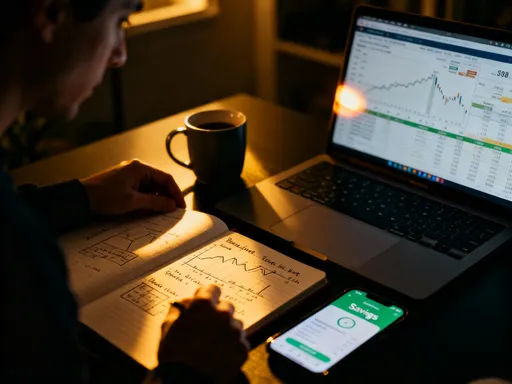
Budgeting is the operational core of the framework. Instead of treating experience spending as an afterthought, it should be integrated into the monthly or quarterly financial plan. A practical method is to establish a dedicated “experience fund” with pre-committed allocations. For example, setting aside $300 per quarter for travel, dining, or entertainment ensures that spending stays within sustainable limits. This fund operates like any other budget category—once it’s depleted, no additional spending occurs until the next cycle. This approach prevents overspending while preserving the freedom to enjoy.
Using separate bank accounts or digital envelopes can reinforce discipline. Many online banking platforms now offer sub-accounts or savings goals that allow users to label and track specific spending categories. By transferring the quarterly amount into an “Experience Fund” account at the start of the period, individuals create a psychological and financial boundary. This separation makes it easier to visualize available resources and avoid dipping into essential funds. It also fosters a sense of ownership and intentionality, turning budgeting from restriction into a tool for empowerment.
Crucially, the experience spending framework must align with overall financial goals. If retirement savings are behind schedule, for instance, experience budgets may need temporary adjustment. Conversely, if financial goals are on track, there may be room for increased discretionary spending. Regular reviews—quarterly or biannually—help maintain this balance. During these check-ins, individuals assess whether their spending delivered expected value and whether adjustments are needed. This feedback loop ensures the framework remains dynamic, responsive, and effective over time.
Smart Timing and Deal Hunting Tactics
Timing is one of the most underutilized tools in financial planning, especially for experience spending. Small shifts in when you book or travel can lead to significant savings without compromising quality. Off-peak seasons, for example, offer lower prices and fewer crowds. A family vacation to a popular beach destination in June instead of July can save 20–30% on accommodations and flights. Similarly, attending concerts or theater performances on weekdays rather than weekends often means better availability and reduced ticket costs.
Early-bird pricing is another powerful strategy. Many event organizers and travel providers offer discounted rates for those who book in advance. Airlines, hotels, and cruise lines frequently release lower fares months ahead of departure dates. By planning ahead and securing reservations early, individuals lock in better rates and avoid last-minute price surges. This requires foresight, but the financial benefit is substantial. For instance, booking an international flight six months in advance can result in savings of hundreds of dollars compared to booking just weeks before departure.
Loyalty programs and membership perks also play a key role in reducing costs. Frequent flyer miles, hotel points, and credit card rewards can offset or even eliminate expenses for travel and dining. Many programs offer exclusive access to sales, room upgrades, or complimentary experiences. While these should not encourage unnecessary spending, they can enhance value when used strategically. Joining free loyalty programs for preferred airlines or hotel chains costs nothing and can yield meaningful savings over time.
Price tracking tools and alerts further empower smart decision-making. Websites and apps allow users to monitor fluctuations in flight and hotel prices, sending notifications when rates drop. This data-driven approach removes guesswork and enables informed choices. For example, setting a price alert for a desired vacation package can signal the optimal time to purchase. Some travelers have saved up to 40% by waiting for seasonal sales or off-cycle promotions. These tools turn passive spending into active value-seeking behavior.
Negotiation and bundling are additional tactics worth considering. Package deals that combine flights, hotels, and activities often cost less than booking each component separately. Likewise, calling a hotel directly to inquire about unadvertised discounts or special rates can yield better terms than online booking platforms. While not always successful, these efforts increase the odds of securing better value. The mindset shift is critical: viewing experience spending not as a fixed cost but as an opportunity to maximize return on investment.
The Role of Insurance and Flexible Planning
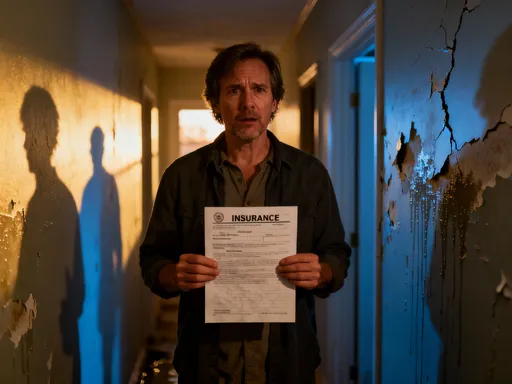
Even the best-laid plans can be disrupted by unforeseen events. Illness, weather, or family emergencies may force the cancellation of a trip or event, turning anticipation into financial loss. This is where insurance and flexible planning serve as essential risk management tools. Travel insurance, when appropriately selected, can reimburse non-refundable expenses due to covered reasons such as medical issues or flight cancellations. It does not eliminate risk but transfers a portion of it, providing peace of mind.
Not all trips require the same level of protection. A short domestic weekend getaway may not justify the cost of insurance, especially if bookings are refundable. However, an international vacation with expensive, non-refundable tickets and accommodations may warrant coverage. The key is assessing the financial exposure and deciding whether the cost of insurance is reasonable relative to potential loss. As a general guideline, if the trip cost exceeds $1,000 and includes non-flexible bookings, insurance becomes a prudent consideration.
Refundable bookings are another form of financial safeguard. While they often come at a higher initial price, they offer flexibility in case plans change. During periods of uncertainty—such as flu season or volatile weather patterns—opting for refundable rates can prevent significant losses. Some credit cards also offer built-in travel protection, including trip cancellation insurance or purchase protection on event tickets. Reviewing card benefits before making reservations can reveal valuable built-in safeguards.
Flexible planning extends beyond insurance and booking types. It includes building buffer time into itineraries, choosing destinations with reliable infrastructure, and having contingency plans. For example, selecting a vacation spot with multiple airline options reduces the risk of being stranded due to a single flight cancellation. Similarly, keeping some funds unallocated in the experience budget allows for adjustments without derailing the entire plan. The goal is not to eliminate all risk—which is impossible—but to manage it intelligently.
Ultimately, the purpose of these safeguards is to reduce stress and protect financial stability. When people know they won’t suffer major losses from unexpected changes, they can enjoy experiences more fully. This sense of security enhances overall satisfaction, making the experience itself more rewarding. Risk management, therefore, is not about pessimism but about responsible optimism—preparing for the best while planning for the possible.
Measuring Value Beyond the Moment
True financial wisdom involves evaluating not just cost, but value. An experience may feel amazing in the moment, but did it deliver lasting satisfaction? This is the essence of the “joy-to-cost” ratio—a personal metric that weighs emotional return against financial outlay. A $200 dinner that feels forgettable offers poor value; a $100 hike in nature that creates lasting memories may offer exceptional value. By reflecting on experiences after they occur, individuals gain insights that inform future spending decisions.
Post-event reflection can take many forms. Journaling about the experience, discussing it with loved ones, or even creating a photo album helps solidify memories and assess fulfillment. Questions to consider include: Did this align with my values? How long did the positive feelings last? Would I do it again at the same cost? These reflections move spending from automatic to intentional. Over time, patterns emerge, revealing which types of experiences yield the highest emotional return on investment.
Memory preservation enhances value. Unlike material goods that depreciate, well-preserved memories can be revisited and enjoyed indefinitely. Sharing stories with family, writing about a trip, or framing photographs extends the emotional life of an experience. A study published in the Journal of Consumer Psychology found that people who actively reflect on and share positive experiences report higher levels of long-term happiness. This means that a modestly priced experience, when deeply appreciated and remembered, can outperform a more expensive but less meaningful one.
This approach shifts the focus from consumption to connection. It encourages choosing experiences that foster relationships, personal growth, or a sense of accomplishment. A cooking class with a child, a volunteer trip, or a quiet weekend in the mountains may cost less than a luxury resort stay but generate richer, longer-lasting joy. By measuring value beyond the moment, individuals learn to spend not on spectacle, but on significance. This leads to more fulfilling choices and smarter financial behavior.
Balancing Now and Later: Wealth and Wellbeing Together
Sustainable experience spending is not about sacrifice—it’s about integration. The goal is not to stop enjoying life, but to ensure that enjoyment supports, rather than undermines, long-term financial health. When guided by intention, planning, and risk control, experience consumption becomes a smart asset rather than a liability. It contributes to wellbeing, strengthens relationships, and enriches life, all while staying within financial boundaries.
Disciplined planning creates freedom. By setting budgets, using safeguards, and measuring value, individuals gain confidence in their choices. They no longer fear overspending or regret their decisions. Instead, they can travel boldly, dine freely, and embrace opportunities without anxiety. This peace of mind is itself a form of wealth—one that cannot be measured in dollars but is felt in daily life.
Wealth and wellbeing are not opposing forces; they are complementary. A life focused solely on saving may achieve financial security but miss the richness of lived experience. Conversely, a life of constant indulgence may offer short-term pleasure but long-term stress. The balanced path recognizes that money is a tool—not an end in itself. It exists to support a meaningful, joyful, and secure life.
By mastering experience spending, individuals reclaim control. They spend with purpose, not pressure. They enjoy the present while building the future. And in doing so, they transform their relationship with money from one of conflict to one of harmony. This is financial maturity: the ability to live fully today, with confidence in tomorrow.